Uprise Art vs Eyes On Walls: Which Is Right for You?
Table of Contents
- Uprise Art vs Eyes On Walls: The Core Difference
- Side-by-Side Comparison: Catalog, Formats, and Pricing
- Original Art vs Art Prints: What Each Service Actually Sells
- Limited Edition Prints vs Mass Produced: Why the Run Size Matters
- Art Print Quality: Paper, Ink, and Hand-Finished Details
- Shipping, Returns, and Damage Claims Compared
- How to Choose Art for Your Home: A Buyer's Checklist
- Which Service Is Best for You?
- Frequently Asked Questions
Last Updated: October 20, 2026
Uprise Art vs Eyes On Walls: The Core Difference
Choosing between Uprise Art and Eyes On Walls comes down to one question: do you want to buy original work from living artists, or do you want access to an enormous catalog of prints and wall decor? Uprise Art is a curated online gallery focused on original artwork by emerging artists, with a strong emphasis on art advisory and personalized guidance.
That distinction matters more than most buyers realize. The Uprise Art vs Eyes On Walls decision is really a decision about what you're collecting.
Side-by-Side Comparison: Catalog, Formats, and Pricing
Here's how the two services stack up on the factors that actually drive a purchase decision. Where a figure is given, it reflects published list pricing as of October 2026 and should be re-checked at checkout, since both services adjust prices by size, format, and artist.
| Factor | Uprise Art | Eyes On Walls |
|---|---|---|
| Core offering | Original artwork by emerging artists, plus a small number of limited editions | Prints, posters, canvas, framed wall art, acrylic, and metal reproductions |
| Catalog size | Curated, typically a few hundred artists at a time | Very large, tens of thousands of images across many categories |
| Formats | Originals (painting, works on paper, sculpture), some editions | Canvas, framed print, poster, acrylic, metal, and rolled print |
| Typical entry price | Original works generally start in the low hundreds and climb into the thousands per piece | Open-edition prints commonly start under $50 for small sizes and rise with format and frame |
| Pricing model | Per-piece, artist-set pricing | Tiered by size and format, with frame and mounting add-ons |
| Framing | Often sold unframed or with optional framing through the gallery | Framing built into many product configurations |
| Advisory service | Yes, art advisors and curation | Self-serve browsing and search filters |
| Returns | Policy set by the gallery; confirm window and condition requirements before ordering | Policy set by the marketplace; confirm window and whether return shipping is covered |
| Best for | Collectors wanting originals and guidance | Buyers wanting affordable volume and fast wall coverage |
How to read the price columns. Uprise Art prices reflect original work and artist-set rates, so a single painting can cost more than an entire wall of prints from Eyes On Walls.
The total-cost trap. The sticker price is rarely the final number. Budget for framing if the piece ships unframed, sales tax where applicable, shipping surcharges on oversized or framed items, and hanging hardware.
Before you commit, check each site directly for current pricing, confirm what the price includes (frame, mounting, hardware), and note the date you checked. That single habit prevents most of the pricing surprises in online art buying.
Original Art vs Art Prints: What Each Service Actually Sells
The original art vs art prints distinction is the heart of this comparison. An original artwork is a one-of-a-kind piece made by the artist's hand: a painting, drawing, or sculpture that exists once.
Uprise Art's model centers on originals. You're buying the actual piece, which carries the artist's hand, a measure of scarcity, and a resale market that generally treats originals differently from reproductions.
Eyes On Walls operates on the reproduction side. Its catalog is built for volume and variety, which means you can furnish a whole wall quickly and affordably.
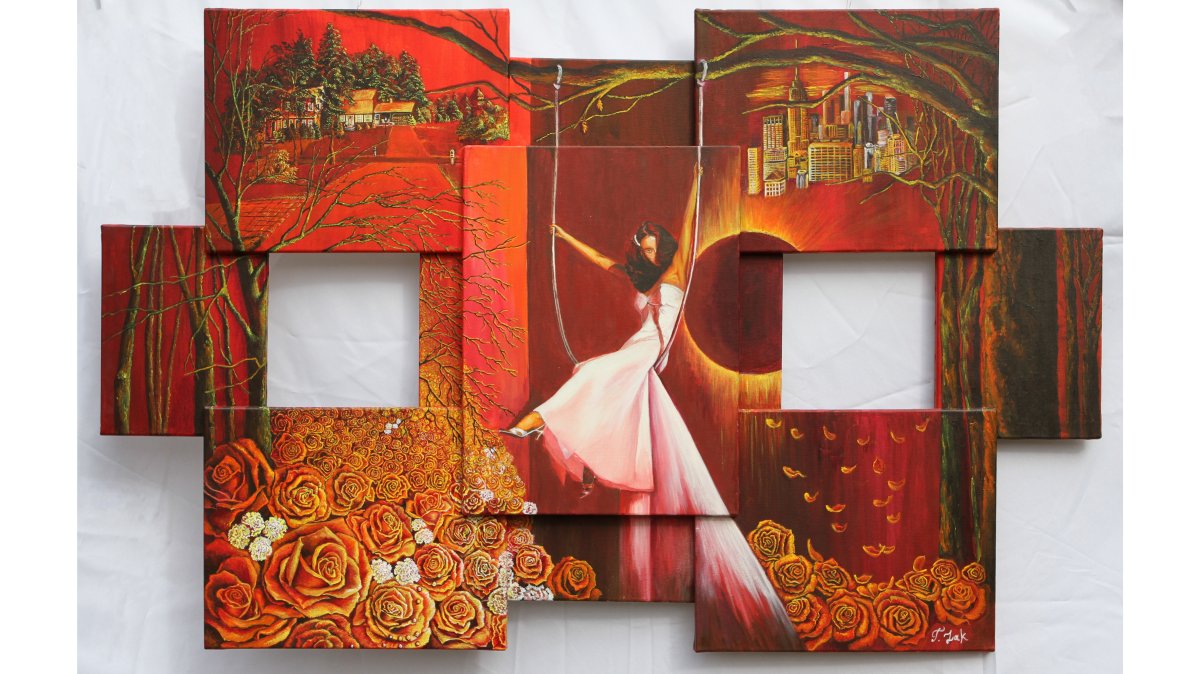
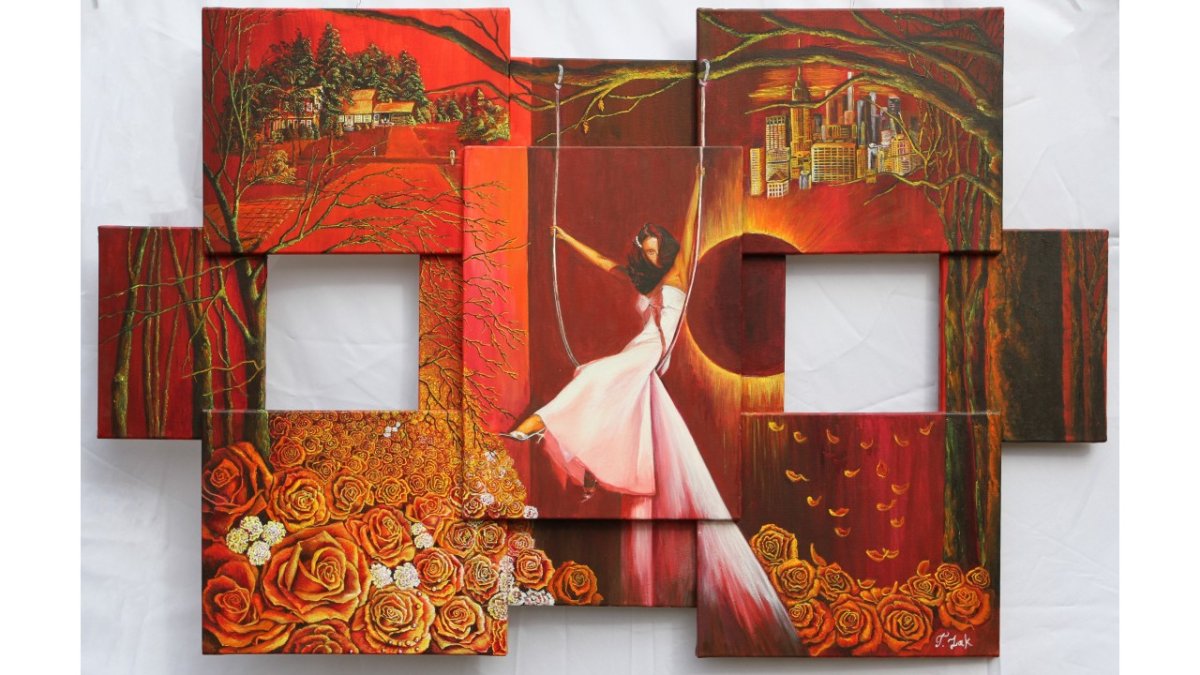
Our own approach sits deliberately between these poles. Every piece in the Tatyana Zak collection is a limited edition print, hand-enhanced with acrylic by the artist, so the printed base is shared but the finished work is not.
Limited Edition Prints vs Mass Produced: Why the Run Size Matters
Run size is the single most overlooked factor in art buying. Limited edition prints vs mass produced prints differ in one crucial way: the edition is capped and documented, while mass produced prints are effectively unlimited.
A limited edition print is released in a fixed number, often numbered and signed, with the run closed once it sells out. That cap creates scarcity and gives the piece a collector's dimension. A mass produced print has no cap.
Here's what most guides miss: "limited edition" is only meaningful if the artist actually stops at the stated number. Ask directly. A reputable seller will tell you the edition size and confirm whether the run is closed.
Art Print Quality: Paper, Ink, and Hand-Finished Details
Art print quality comes down to four variables: the paper stock, the ink, the printing method, and any hand-finishing applied after printing. Get these right and a print can look extraordinary. Get them wrong and even a great image falls flat.
- Paper: Heavyweight cotton rag or textured fine art paper holds detail and resists yellowing far better than thin poster stock.
- Ink: Pigment-based archival inks outlast dye-based inks, which fade faster under light.
- Printing method: Giclée printing, a high-resolution inkjet process, is the standard for fine art reproductions.
- Hand-finishing: Acrylic brushwork, hand-pulled details, or hand-embellished accents add depth that a flat print cannot match.
That last point is where hand-embellished work earns its place. The Library of Congress guidance on print preservation is a useful reference for understanding how paper and ink choices affect longevity.
For buyers weighing original art vs art prints, quality is the great equalizer. A well-made print on archival paper can sit comfortably beside originals in a room. A cheap poster cannot.
Shipping, Returns, and Damage Claims Compared
Shipping and returns are where online art buying gets stressful, and the policies differ by model. Prints from a large marketplace are typically shipped in rigid tubes or flat protective packaging and are relatively easy to replace if damaged, because the item is reproducible.
What to confirm before checkout, by service type.
- Uprise Art (original work): Because each piece is unique, ask the gallery in writing about the return window, who pays return shipping on a change-of-mind return, whether the work must arrive back in original condition and packaging, and what happens if the piece is damaged in transit. Original-art returns are commonly narrower than print returns, and some galleries handle damage claims directly with the shipper rather than asking the buyer to file.
- Eyes On Walls (reproductions): Because the item is reproducible, replacement is the usual remedy for transit damage. Confirm the return window in days, whether return shipping is on you, whether framed or custom-configured items are excluded from returns, and how to file a damage claim (photos of packaging and product are almost always required).
A four-step damage protocol that works for either service.
- Photograph the sealed box before opening, including any visible crushing or punctures.
- Photograph the opened packaging with the art still inside, so the carrier can see how it was packed.
- Photograph the damage close up and in context, then keep all packaging until the claim is resolved.
- Report within the stated window and ask for the remedy in writing: replacement, repair, refund, or credit.
A common mistake is opening a large framed piece without documenting the box first. If the frame is cracked, the carrier will want photos of both the packaging and the damage. Take them before you discard anything.
Delivery timelines. Print-on-demand items typically ship faster because they are produced to order from a standard file, while original works may need crating and can carry longer lead times, especially for oversized pieces.
How to Choose Art for Your Home: A Buyer's Checklist
Knowing how to choose art for your home starts with scale and placement, not style. The most common error is buying a piece that's too small for the wall. Use this checklist before you commit.
- Measure the wall and mark the intended footprint with painter's tape or a paper template.
- Confirm the piece is large enough: art should typically span a good portion of the furniture below it, not float as a small dot.
- Check the color palette against the room's existing tones in natural light, not just on screen.
- Decide whether you want an original, a limited edition, or an open print, and match that to your budget.
- Confirm framing: does the price include a frame, or is it sold unframed?
- Ask about the edition size if the piece is sold as limited.
- Verify the return policy and delivery timeline before checkout.
- Request a detail image if hand-finishing is involved, so you can see the actual brushwork.
That last item matters for hand-embellished work. The American Institute for Conservation publishes guidance on caring for works on paper that's worth reading before you hang anything in a bright room.
Which Service Is Best for You?
The answer depends on what you're actually buying. Choose Uprise Art if you want original artwork by emerging artists, value advisory guidance, and are collecting for the long term. Choose Eyes On Walls if you need affordable prints at volume, want a huge style range, and are decorating rather than collecting.
If you want something in between, a piece that carries the artist's hand but stays accessible, that's exactly the gap we built Tatyana Zak to fill. Our limited edition prints are hand-embellished with acrylic by the artist, no two are identical, and every piece ships worldwide.
Frequently Asked Questions
What is the difference between Uprise Art and Eyes On Walls?
Uprise Art works with emerging artists and focuses on original artwork and curated pieces, often with art advisory guidance for collectors. Eyes On Walls is built around print formats, including framed and unframed prints, canvas, and other display options. In short, one leans toward building a collection of originals, the other toward accessible prints at a range of sizes. Your choice depends on whether you want a one-of-a-kind piece or a flexible print for a specific wall.
Does Uprise Art sell original artwork or prints?
Uprise Art centers on original artwork from emerging artists, with curated collections and advisory support to help buyers select pieces. Some listings may include editions, so check each product page for whether a work is unique or part of a run. If owning a one-of-a-kind piece matters to you, confirm the edition details before checkout. For buyers who want hand-finished work at a lower entry point, hand-embellished limited edition prints offer a middle path between reproduction and original.
How can you tell whether a print is limited edition or mass-produced?
Look for a stated edition size, a signature or numbered certificate, and language like 'edition of 50' on the product page. Mass-produced prints usually have no edition number and are reprinted on demand indefinitely. Limited edition prints vs mass produced is not just a label: an edition of 25 or 50 means the image will not be reprinted after the run sells out, which supports long-term value. Ask the seller directly if the edition size is not listed.
How do you choose the right print size for a room?
Measure the wall first, then tape a paper template at the planned height to judge scale before you buy. A common guideline is that art should cover roughly two-thirds to three-quarters of the width of the furniture below it, such as a sofa or console. In workspaces, keep the center of the piece near eye level. Order a small sample or check the return policy when you are unsure, and remember that oversized pieces in small rooms can overwhelm the space.
The hardest part of buying art online isn't finding something you like. It's trusting that what arrives will feel as meaningful in person as it looked on screen. Tatyana Zak closes that gap with individually hand-embellished prints, multi-layered compositions built for repeated viewing, and art sets curated for homes and workspaces. Explore the collection and find the piece that fits your space.