What Makes Limited Edition Prints Valuable: 2026 Collector Guide
Table of Contents
- Why Edition Size and Scarcity Drive Limited Edition Print Value
- Limited Edition Prints vs Mass Produced: What Sets Them Apart
- Signed and Numbered: Why Signatures and Certificates of Authenticity Matter
- What Is an Artist Proof and How Does It Affect Value?
- Hand-Embellished Art Prints Value: When the Artist's Hand Changes Everything
- Archival Quality and Technical Printing Standards That Protect Your Investment
- The Secondary Market Reality: Resale Value, Provenance, and Digital Authentication
- Conclusion: Choosing Limited Edition Prints That Hold Their Worth
- Frequently Asked Questions
Last Updated: September 30, 2026
Why Edition Size and Scarcity Drive Limited Edition Print Value
Limited edition prints are reproductions produced in a fixed, capped quantity, and that cap is the foundation of their value. Scarcity is what makes them valuable: when an artist commits to a set edition size, supply is fixed while demand can grow. A print from an edition of 35 will always be rarer than an open-ended run.

Limited Edition Prints vs Mass Produced: What Sets Them Apart
The difference between limited edition prints and mass produced art comes down to three things: a fixed print run, individual inspection, and documentation. A mass produced poster is printed to demand, often on thin paper with commercial inks, and reprinted whenever stock runs low. A limited edition print is produced once, in a stated quantity, and never reprinted in that exact form.
Signed and Numbered: Why Signatures and Certificates of Authenticity Matter
Signatures and certificates do not make a print valuable on their own, but their absence raises questions. A print with no number, signature, or documentation is difficult to authenticate later, and authentication is what the secondary market relies on.
What Is an Artist Proof and How Does It Affect Value?
An artist proof is a print pulled before or alongside the main numbered edition, traditionally reserved for the artist's records. It is usually marked "AP" rather than numbered, and the quantity is a small fraction of the main edition.
Hand-Embellished Art Prints Value: When the Artist's Hand Changes Everything
The extra labor also limits how large an edition can realistically be: an artist can only hand-finish so many canvases, which keeps edition sizes small.
Archival Quality and Technical Printing Standards That Protect Your Investment
Archival quality refers to materials and inks engineered to resist fading over decades, but it is only one axis of value. The printing method itself, how the image was transferred to paper or canvas, creates distinct value tiers that collectors, galleries, and appraisers treat differently. Most guides lump all "prints" together. That is a mistake.
| Method | How It's Made | Typical Edition Behavior | Value Tier | Collector Notes |
|---|---|---|---|---|
| Giclée (pigment inkjet) | High-resolution digital file printed with pigment inks onto acid-free substrate | Often larger editions (100-500+), but can be small | Mid to high, depending on artist and embellishment | Dominant method for contemporary limited editions; pigment inks are the most lightfast widely available |
| Lithograph (offset) | Image transferred to a plate, then to a rubber blanket, then to paper | Historically large editions, often 500-2,000+ | Lower to mid | Common in mass-market art; older lithographs can gain value with age and artist reputation |
| Screen print (serigraph) | Ink pushed through a mesh stencil, one color at a time | Usually small editions (50-300) | Mid to high | Valued for tactile ink layering and hand-pulled character; popular in street art and contemporary editions |
| Etching / engraving | Incised into a metal plate, then printed | Very small editions, often under 100 | High | Considered fine art printmaking; plate wear limits how many good impressions exist |
| Digital reproduction (dye-based) | Standard inkjet or laser with dye inks | Open or loosely limited | Décor tier | Fades faster; not collected as fine art |
| Factor | What to Look For | Why It Matters |
|---|---|---|
| Ink type | Archival pigment | Resists fading better than dye |
| Substrate | Acid-free paper or canvas | Avoids yellowing and brittleness |
| Framing | UV filtering glazing | Blocks the main cause of fading |
| Storage | Cool, dry, out of direct sun | Slows long-term deterioration |
The Secondary Market Reality: Resale Value, Provenance, and Digital Authentication
Resale value in the print market is driven by provenance, demand, and rarity, not by the original purchase price. The harder truth is that most limited edition prints do not resell quickly, and many do not resell at all. Understanding why is the difference between collecting with clear eyes and collecting on hope.
Where prints actually sell
There are four main channels, each with different costs and timelines:
- Auction houses. The major houses handle established artists and blue-chip editions. Seller's premiums commonly run in the range of 10-20% of the hammer price, and consignment can take months. If your print is not by a recognized name, it may not be accepted.
- Galleries and dealers. A gallery that represents the artist may take your print on consignment, typically splitting the sale 50/50. This is the strongest channel for provenance but the slowest.
- Online marketplaces. Platforms like eBay and Artsy allow direct listing. Fees vary, but expect roughly 10-15% in platform and payment costs. Liquidity depends entirely on whether a buyer is searching for that artist that week.
- Peer-to-peer and social. Collector groups and social media can move prints without fees, but you carry all authentication risk and have no recourse if a dispute arises.
What provenance actually does
Provenance is the documented history of ownership, and it lets a buyer trust that a print is what it claims to be. A complete record, the COA, original receipt, gallery documentation, and prior sale records, makes a print easier to sell and price. Missing paperwork does not make a print fake, but it forces the next buyer to discount for uncertainty, and that discount is real money.
Digital provenance and blockchain-based authentication
Digital provenance is beginning to address the authentication gap. Some artists and platforms now issue blockchain-based certificates recording an artwork's ownership history in a tamper-resistant ledger. The appeal is straightforward: a paper COA can be forged, lost, or separated from the print, while a ledger entry is permanent and publicly verifiable.
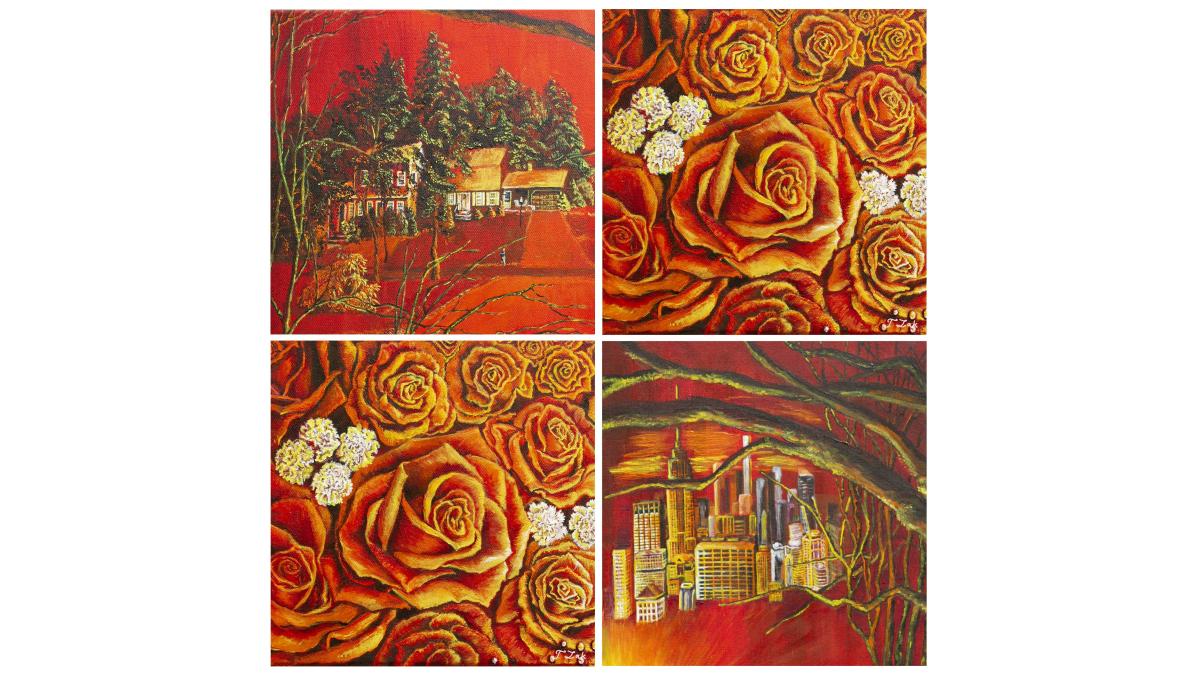
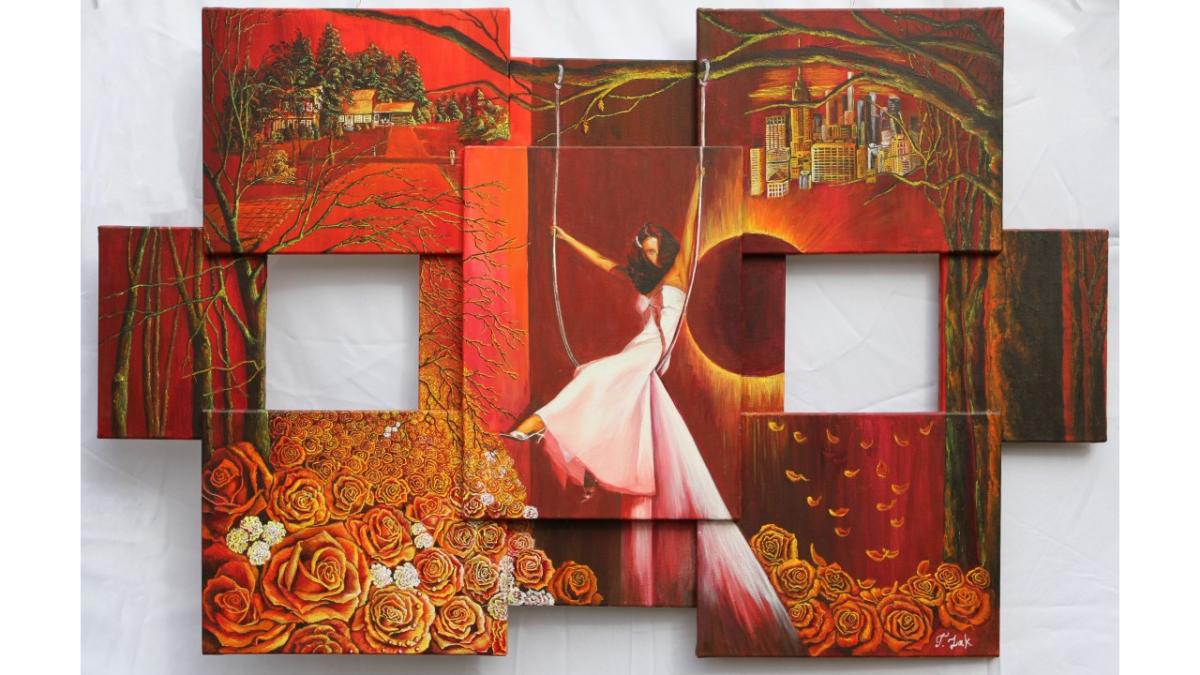
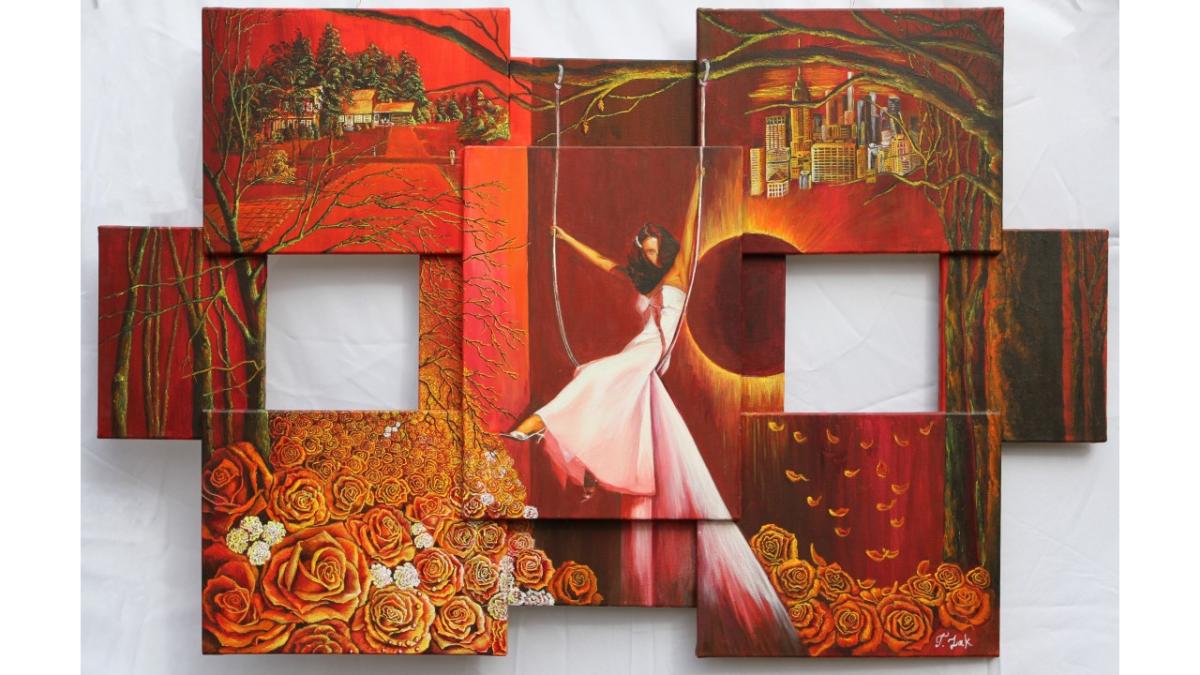
Swing of Life™ - Hand-Embellished →
The liquidity reality
Rarity supports price, but demand for the specific artist does the heavy lifting. An edition of 35 from a sought-after artist will move faster than a larger run from an unknown one. Before buying any print as an investment, ask: if I needed to sell this in six months, who would buy it? If you cannot name a channel or buyer type, you are buying for enjoyment, not investment, a perfectly good reason, as long as you know which one you are doing.
Conclusion: Choosing Limited Edition Prints That Hold Their Worth
The prints that hold value share a pattern: a small, stated edition size, a signature and number, a certificate of authenticity, archival materials, and an artist whose work people actually want. Get those five things right and you have done everything within a buyer's control.
Frequently Asked Questions
Are limited edition art prints worth money?
Yes, when several factors line up: a small edition size, the artist's signature and numbering, a certificate of authenticity, and steady demand. Prints from established artists with documented provenance often resell above their original price. However, value depends on the artist's reputation and market interest, not the edition number alone. A print from an unknown artist may hold sentimental value but limited resale potential.
How do I find the value of a limited edition print?
Start by checking the edition size, whether it is signed and numbered, and if a certificate of authenticity is included. Look up recent auction results and gallery listings for the same artist. Condition matters too: fading, foxing, or frame damage lowers value. For hand-embellished pieces, the uniqueness of each print makes direct comparison harder, so consult a qualified appraiser who specializes in contemporary prints.
What is the difference between an open edition and a limited edition print?
An open edition print can be reproduced indefinitely, so supply never runs out. A limited edition print has a fixed print run, meaning only a set number of copies exist. That cap on supply is central to what makes limited edition prints valuable. Limited editions are typically signed and numbered, while open editions usually are not. Scarcity gives limited editions a collectible quality that open editions lack.
How does hand-embellishment affect the value of a print?
Hand-embellishment adds original brushwork to each print, making every piece unique even within the same edition. This blurs the line between reproduction and original artwork, which typically raises both perceived and resale value. Collectors pay more for hand-embellished art prints because no two are identical. The added texture, depth, and personal touch from the artist's hand give the piece a presence that a standard reproduction cannot match.
What are the rules for limited edition prints?
Once an edition sells out, no more prints should be made from that image at that size and format. Each print is numbered (like 12/35), signed by the artist, and often accompanied by a certificate of authenticity. Artist proofs are separate from the main edition and usually capped at about 10% of the edition size. Reputable galleries and artists follow these conventions to protect collectors and maintain trust in the market.
Is there a market for limited edition prints?
Yes. The secondary market for limited edition prints is active through auction houses, online art platforms, and private dealers. Demand is strongest for artists with a track record, small edition sizes, and documented provenance. Hand-embellished and signed prints tend to hold value better than unsigned reproductions. Market liquidity varies by artist, so research recent sales before buying with resale in mind.
Start with the edition size, then work outward to signature, documentation, and materials. Those are the factors you can verify before you buy, and they are the ones that decide what your print is worth years from now. Browse the Tatyana Zak collector editions to find a hand-embellished piece made to be lived with, not just displayed.