How to Verify Hand-Embellished Quality
Table of Contents
- What Hand-Embellished Prints Actually Are
- The Hand Embellishment Process and Why It Matters
- Step 1: Inspect the Surface Texture Under Magnification
- Step 2: Examine Brush Strokes and Layering Patterns
- Step 3: Verify Archival Materials and Pigment Quality
- Hand-Embellished Giclee vs. Original Painting: Understanding the Difference
- The Value of Hand-Embellished Prints and Art Authentication Standards
- Red Flags: Spotting Mass-Produced Fake Embellishment
- Frequently Asked Questions
Last Updated: September 19, 2026
What Hand-Embellished Prints Actually Are
Hand-embellished prints sit in an interesting space between reproduction and original art. They start as high-quality giclee prints, a digital printing process that uses archival pigment inks to transfer an image onto canvas or fine art paper. Then comes the crucial part: an artist hand-applies acrylic paint, brush strokes, and dimensional texture directly onto the printed surface. This is not a standard print. Each piece becomes unique because no two artists apply paint the same way, and even the same artist varies their touch from piece to piece.
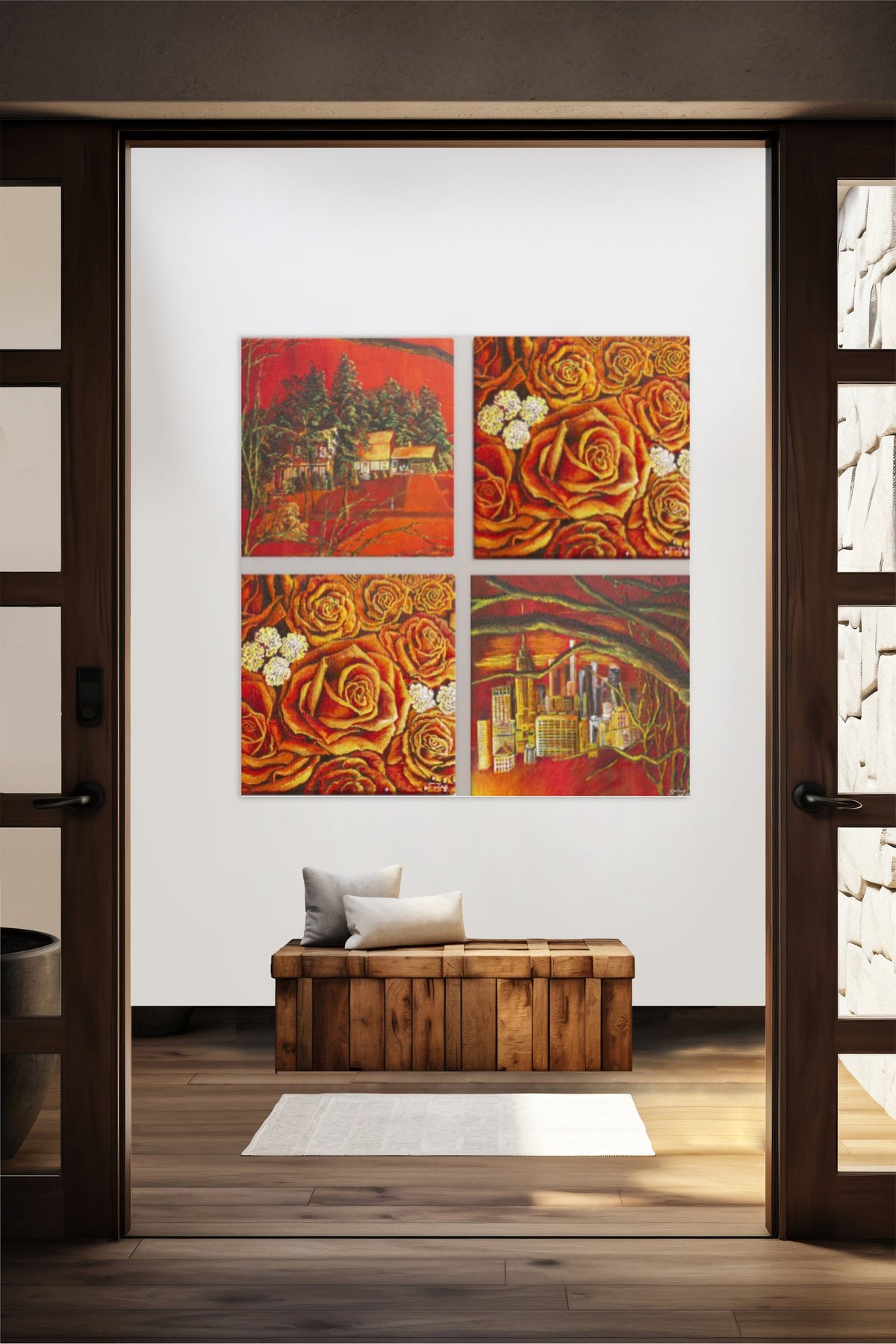
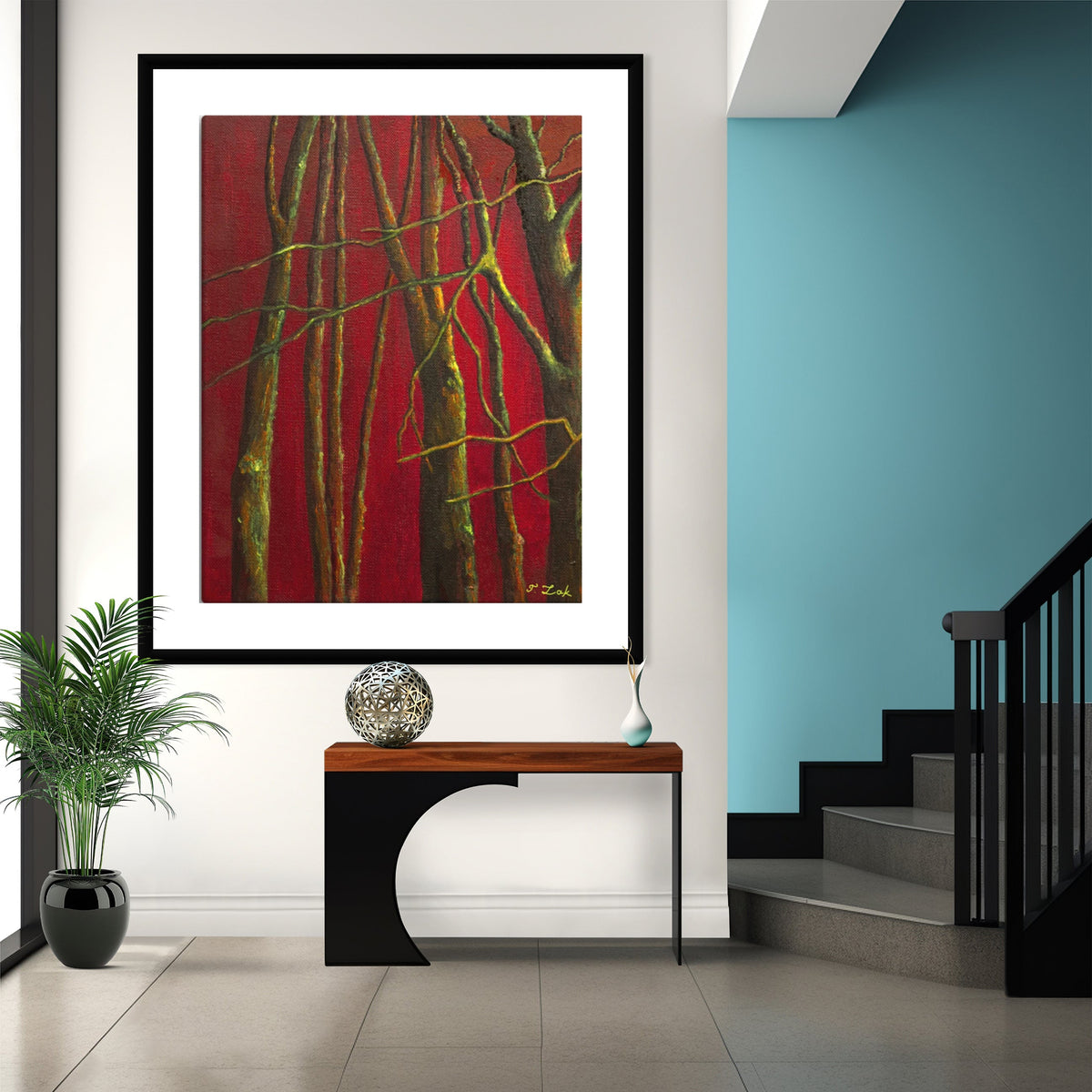
The distinction matters because it changes what you're actually buying. A mass-produced print is identical to thousands of others. A hand-embellished print from Tatyana Zak, by contrast, carries the artist's hand in every brushstroke. This process bridges the gap between affordability and the one-of-a-kind quality of original artwork. You get the precision of a giclee base with the authenticity of hand-applied embellishment.
Understanding this foundation is essential for verify hand embellished quality. Without knowing what you're looking at, you can't spot the difference between genuine hand work and fake embellishment applied by machine or mass-production shortcuts.
The Hand Embellishment Process and Why It Matters
The embellishment process transforms a print into something with actual presence. After the giclee print is complete, the artist applies acrylic medium, additional brush strokes, and layering by hand. This creates visual depth and tactile quality that a flat print simply cannot achieve. The dimensional surface catches light differently depending on the angle you view it from. Run your finger across a genuine hand-embellished piece and you'll feel raised paint, texture variation, and intentional mark-making.
Why does this process matter for authentication? Because it's labor-intensive and cannot be rushed. A true hand-embellished print takes time. Machine-applied embellishment, by contrast, happens uniformly and quickly. The artist's hand creates natural variation, some areas have thicker paint application, others are more subtle. This inconsistency is actually the signature of authenticity.
Limited edition prints like those from Tatyana Zak are signed and numbered by the artist. The edition size is fixed (often 35 pieces or fewer). This scarcity, combined with hand application, creates genuine collector value. You're not buying one of ten thousand identical copies. You're buying one of thirty-five unique pieces.
Step 1: Inspect the Surface Texture Under Magnification

Start with your eyes and a magnifying glass. Genuine hand embellishment creates visible, irregular texture. Look at the surface under bright light at an angle. You should see:
- Raised acrylic paint that creates actual shadow
- Brush stroke marks with natural variation in pressure
- Areas where the paint is thicker in some spots and thinner in others
- The printed base visible beneath the embellishment in places
Machine-applied embellishment looks uniform. The texture repeats in identical patterns. The paint application is perfectly even across the entire piece. This uniformity is the red flag. Human hands don't work that way.
Examine the edges of the embellished areas. Do they blend naturally into the printed surface, or are they sharp and mechanical? Hand application creates soft transitions. Machine application creates precise boundaries. If you see perfectly straight lines of embellishment that match exactly on every copy of the same image, that's not hand work.
Use a 10x magnifying glass and look at the layering. Genuine hand embellishment shows multiple layers of paint building on top of each other. You'll see areas where one color sits on top of another, creating depth. The layering pattern will be unique to that specific piece.
Step 2: Examine Brush Strokes and Layering Patterns
Brush strokes reveal intent and authenticity. Each artist has a distinctive mark-making style, just like handwriting. When you examine a piece from Tatyana Zak, the brush strokes should feel intentional, placed with purpose to enhance the composition, not applied randomly.
Look for these characteristics:
- Directional consistency that suggests deliberate application
- Variation in stroke width and pressure
- Paint layering that adds visual depth to specific areas
- Color choices that complement or contrast with the printed image intentionally
The layering pattern is especially important for authentication. Hand embellishment typically builds in stages. The artist might lay down a base layer of acrylic medium, then add color layers, then add final details. This creates a visual history you can see in cross-section if you look closely at the edges.
Mass-produced fake embellishment skips this complexity. It applies a single uniform coat designed to look textured without actually being layered. The difference becomes obvious when you compare a genuine piece side by side with a fake.
Document what you see. Photograph the piece under magnification from multiple angles. This creates a record of its unique characteristics. If you ever need to verify authenticity later, these photos become proof of the hand-applied work.
Step 3: Verify Archival Materials and Pigment Quality
The materials matter as much as the technique. Genuine hand-embellished prints use archival-quality components designed to last decades without fading or deterioration. Check the certificate of authenticity that comes with the piece. It should specify:
- Archival pigment inks used in the giclee process
- The type of canvas or paper substrate
- The acrylic medium and paint used for embellishment
- Acid-free materials throughout
Archival pigment inks resist fading from light exposure far longer than standard inks. They're formulated to maintain color accuracy over 100+ years under normal conditions. This is not marketing language, it's a technical specification you can verify.
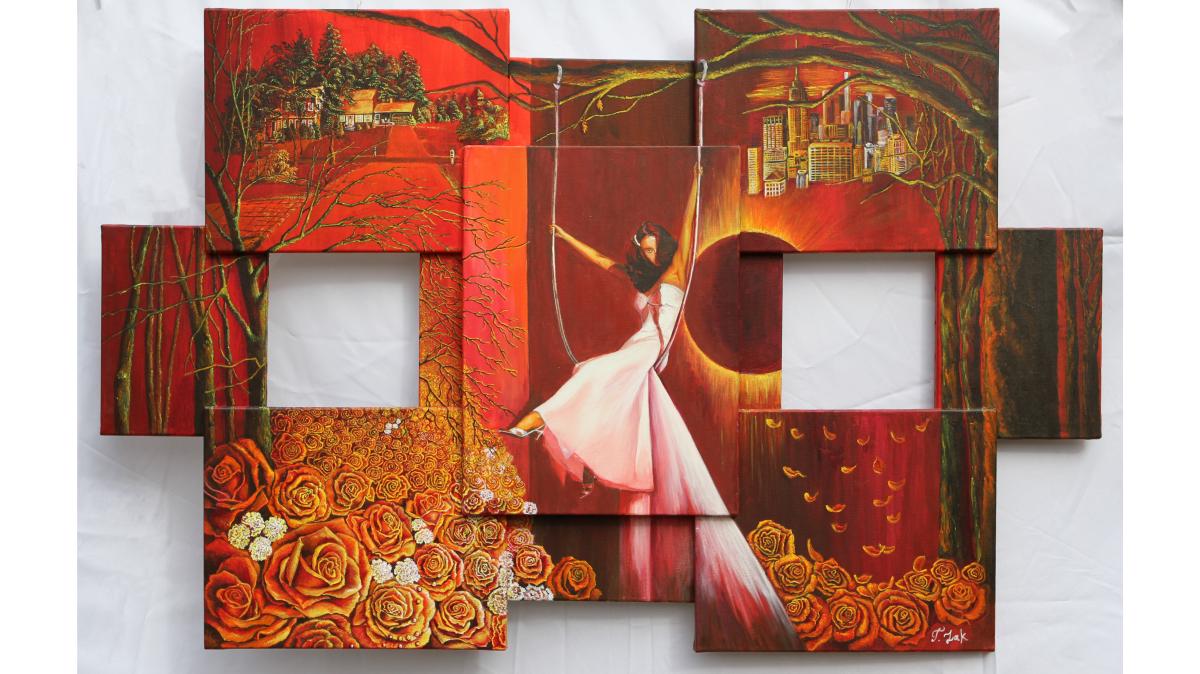
Swing of Life™ - Hand-Embellished →
The substrate matters too. Canvas should be acid-free and properly primed. Paper should be museum-quality, acid-free stock. These materials cost more than standard alternatives, which is one reason genuine hand-embellished prints cost more than mass-produced prints.
Examine the varnish or protective coating if present. Some pieces receive a final varnish layer to protect the embellishment. This should be applied evenly and should not obscure the texture underneath. The varnish should feel smooth and consistent.
Request documentation from the artist or seller. Tatyana Zak provides certificates of authenticity with every hand-embellished piece. This certificate confirms the edition number, the total edition size, and the materials used. It's your proof of authenticity.
Hand-Embellished Giclee vs. Original Painting: Understanding the Difference
This distinction confuses many collectors. Hand-embellished prints and original paintings are different products with different values and purposes.
An original painting is created entirely by hand. The artist paints directly onto canvas using traditional methods. There is only one original. It commands the highest price because it's truly one-of-a-kind and carries the full weight of the artist's original vision and execution.
A hand-embellished giclee starts as a digital reproduction. The giclee process uses archival pigment inks to print the image with exceptional fidelity. Then the artist hand-applies embellishment. This is not an original painting, but it's not a flat print either. It occupies a genuine middle ground.
The value difference reflects the work involved. An original painting requires hundreds of hours of hand painting. A hand-embellished print requires the giclee printing (which is outsourced to a specialized facility) plus hand embellishment time. The embellishment work is substantial, but less time-intensive than creating an original from scratch.
For collectors, this matters. Hand-embellished prints offer:
- Genuine uniqueness (no two pieces identical due to hand application)
- Collector authenticity (signed, numbered, limited edition)
- Affordability compared to original paintings
- Preservation of the artist's vision through the high-fidelity giclee base
- Tangible hand-work that creates presence and depth
Original paintings offer:
- True one-of-a-kind status
- Direct expression of the artist's hand throughout the entire work
- Highest collector value and investment potential
- The weight of original creation
Both are legitimate art forms.
The Value of Hand-Embellished Prints and Art Authentication Standards
Collectors invest in hand-embellished prints for specific reasons. The limited edition nature creates scarcity. If only 35 pieces exist worldwide, and demand grows, the value of owning one increases. This is basic economics. The hand embellishment adds authenticity that mass production cannot replicate.
- Signed and numbered editions with fixed edition sizes
- Certificates of authenticity documenting materials and edition information
- Artist signatures that can be verified
- Provenance documentation showing the chain of ownership
- Professional grading or authentication by third parties when appropriate
Red Flags: Spotting Mass-Produced Fake Embellishment
Identical texture across multiple copies. If you see two pieces from the same image and the embellishment looks exactly the same, same thickness, same placement, same patterns, that's machine work. Hand application always creates variation.
Frequently Asked Questions
What does hand-embellished giclee on canvas actually mean?
Hand-embellished giclee combines professional giclee printing (which uses archival pigment inks on fine art canvas or paper) with hand-applied acrylic paint or other media added by the artist after printing. The giclee provides consistent color and image fidelity, while hand embellishment adds dimensional texture, brushwork, and unique variations. This bridges the gap between mass reproduction and original artwork. Each piece becomes one-of-a-kind because the artist applies different amounts and patterns of embellishment to every print.
How can you distinguish between machine-printed texture and hand-applied paint?
Machine-printed texture is uniform, predictable, and feels flat under magnification. Hand-applied paint shows visible brushstrokes, inconsistent layering, directional marks, and dimensional depth. Use a 10x magnifying glass to examine edges of embellished areas, hand paint will have irregular borders, visible bristle marks, and slight color variation from blending. Machine embossing creates symmetric, repeated patterns; hand application shows natural variation in pressure, stroke length, and color saturation across the surface.
Does hand embellishment increase the value of a limited edition print?
Yes, significantly. Hand embellishment transforms a reproducible print into a unique collector's edition. Because each piece is individually hand-enhanced by the artist, no two are identical, adding scarcity and artistic presence. This increases perceived and resale value compared to standard limited edition prints. Collectors value the tactile quality, dimensional depth, and evidence of the artist's hand. Pieces with artist signatures, numbered editions, and certificates of authenticity command higher prices. The smaller the edition size, the greater the value appreciation potential.
What should I ask the artist or seller to verify authenticity?
Request a certificate of authenticity that includes the edition number, total edition size, artist signature, and date of creation. Ask for process documentation, photos or videos of the hand-embellishment process. Inquire about archival materials used: acid-free paper or canvas, archival pigment inks, and varnish or acrylic medium specifications. Ask whether the artist hand-enhances each piece individually or if embellishment is applied in batches. Legitimate sellers welcome detailed questions and provide detailed provenance records. Be cautious if sellers avoid specifics about edition size or embellishment methods.