Biophilic Art Benefits for Mental Health Clinics
Quick Summary
Biophilic art brings natural forms, soft colors and organic textures into indoor spaces, which can make clinics feel calmer and more welcoming. Its calm imagery gives patients and staff something restful to look at in spaces that often feel cold. Art alone is not a treatment, but it can make a room feel less clinical.
- Patients often arrive stressed or anxious, and waiting rooms can feel cold and impersonal.
- Soft, warm or muted tones tend to feel calmer than bright, high-contrast images.
- Waiting areas, hallways and consultation rooms are common places where art fits best.
- Trauma-informed design avoids harsh or disturbing images and offers a sense of safety.
- Start with one focal wall, test pieces in place, and review how the room feels after a few months.
Table of Contents
- What Biophilic Art Is and Why It Matters in Clinical Spaces
- How Nature-Inspired Art Affects Stress and Mood
- Biophilic Design in Healthcare: Where Art Fits
- Choosing Nature Art for Healthcare Settings
- Trauma-Informed Design for Mental Health Spaces
- Practical Steps to Implement Calming Art for Healthcare Environments
- Planning Your Clinic's Next Step With Meaningful Art
- Frequently Asked Questions
What Biophilic Art Is and Why It Matters in Clinical Spaces
Last Updated: November 4, 2026
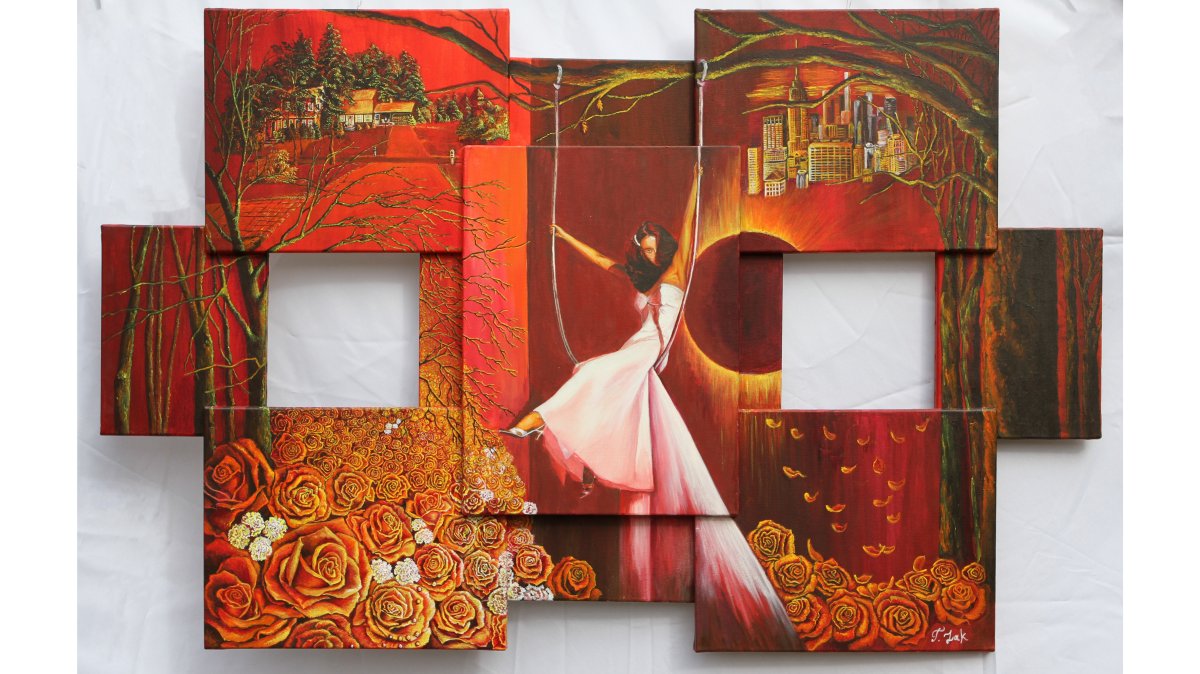
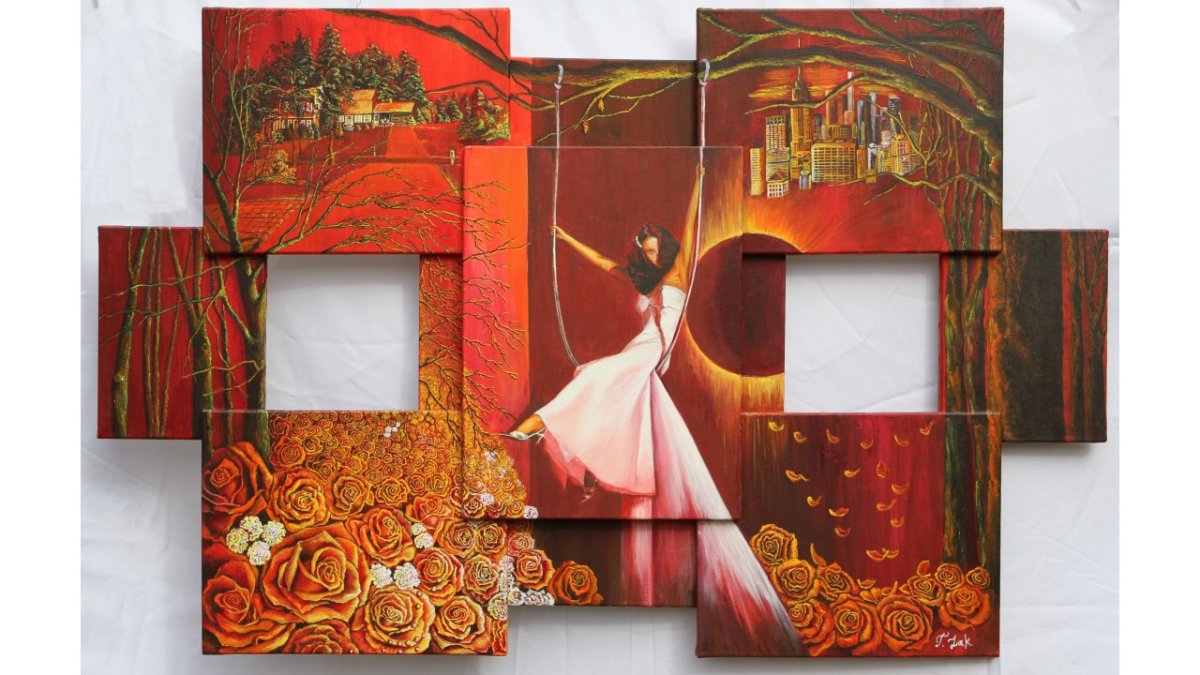
Biophilic art is artwork that brings the look, color and feel of nature into an indoor space. For mental health clinics, biophilic art offers calm imagery that many people find restful. Tatyana Zak makes contemporary pieces built on this idea.
Biophilic art brings organic shapes, soft botanicals and natural tones into a space that often feels sterile. Clinics are full of hard edges, fluorescent light and waiting. A calm image on the wall gives patients and staff something gentle to rest their eyes on.
Biophilic art is artwork that uses natural forms, colors and textures to bring a sense of nature into built environments.
The idea matters in clinical spaces for three simple reasons:
- Patients often arrive stressed or anxious
- Waiting rooms can feel cold and impersonal
- Staff work long days in environments that affect their mood
Art alone is not a treatment for a condition. It can, however, make a room feel more welcoming and less clinical.
How Nature-Inspired Art Affects Stress and Mood
Nature-inspired art works because it gives the eye something soft to focus on. Muted reds, gentle florals and layered tones can make a wall feel warmer and easier to be near. Readers curious about this can explore contemporary art for calming home spaces.
Calm imagery is often chosen to support a more relaxed waiting experience. Patients may feel less rushed when the room around them feels considered.
- Softer colors can ease visual tension
- Floral and tree motifs suggest growth and renewal
- Layered compositions invite a slower, more thoughtful look
Results vary from person to person.
Biophilic Design in Healthcare: Where Art Fits
Biophilic design is a broader approach. It uses light, plants, natural materials and views of nature to connect people with the outdoors. Art is one of the easiest ways to bring that connection into a space that cannot change its layout.
Art fits best where people pause. Common spots include:
- Waiting areas, where patients spend the most idle time
- Hallways, where a series of pieces creates a sense of rhythm
- Consultation rooms, where a calm focal point supports conversation
A set of coordinated pieces often works better than a single large image. The repetition of a motif, such as roses or trees, can tie a room together.
Choosing Nature Art for Healthcare Settings
Choosing art for a clinic is about fit, not just taste. Start with the room's size, light and purpose, then pick work that suits those conditions.
Consider these factors before you buy:
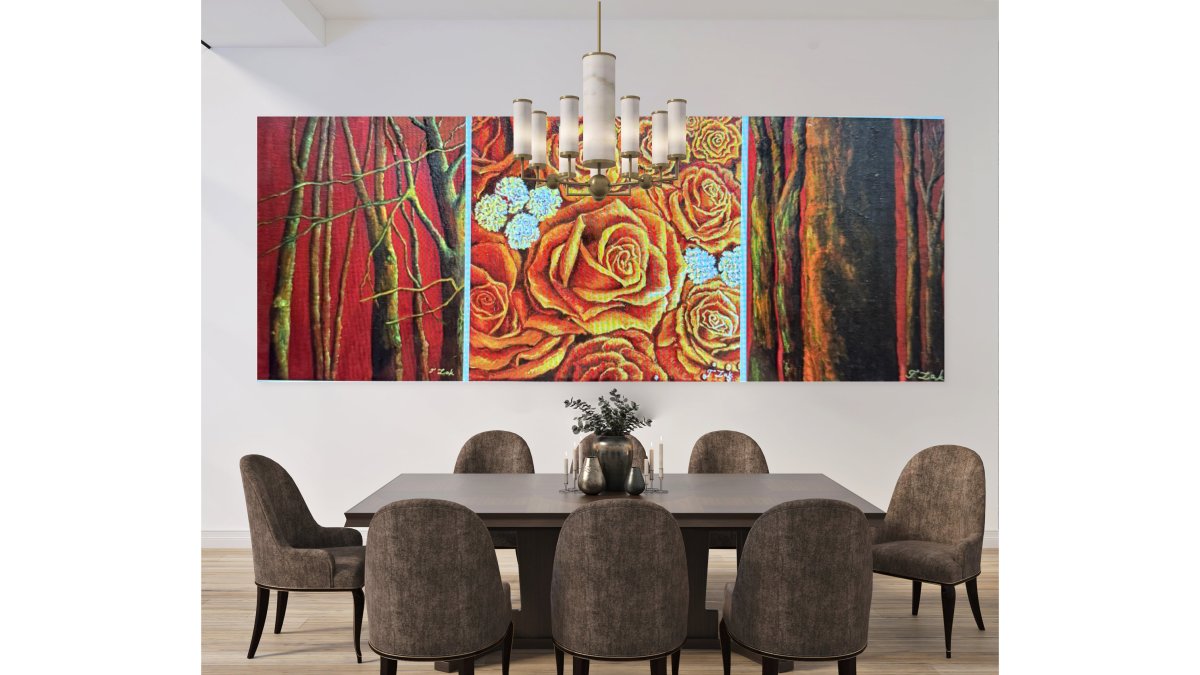
Set of 3 Canvases- Roses and Trees - Print →
- Color: Soft, warm or muted tones tend to feel calmer than bright contrasts
- Scale: Large pieces suit open waiting areas; smaller sets suit hallways
- Subject: Familiar natural motifs, such as trees and flowers, are often easy to connect with
- Durability: Choose pieces that are easy to hang, clean and protect from wear
Watch out: avoid busy, high-contrast images in rooms where patients may already feel overwhelmed.
Tatyana Zak's Set of 3 Canvases, Roses and Trees, is priced at $84.49 and is one option for a calm, nature-inspired wall. The Early Roses 16" x 20" Hand-Enhanced Collector's Edition Print is priced at $325.00 and includes a Certificate of Authenticity and mounting brackets.
The article lists the key factors to weigh and the prices of two named options, which a reader can compare at a glance.
| Item | Value | Note |
|---|---|---|
| Color | Soft, warm or muted tones | Tend to feel calmer than bright contrasts |
| Scale | Large pieces or smaller sets | Large suits open waiting areas; small suits hallways |
| Subject | Trees and flowers | Familiar natural motifs are easy to connect with |
| Durability | Easy to hang, clean and protect | Choose pieces that resist wear |
| Set of 3 Canvases, Roses and Trees | $84.49 | One option for a calm, nature-inspired wall |
| Early Roses 16" x 20" Print | $325.00 | Includes Certificate of Authenticity and mounting brackets |
Trauma-Informed Design for Mental Health Spaces
Trauma-informed design considers how a space may feel to someone who has experienced stress, loss or harm. The goal is to avoid anything that feels threatening and to offer a sense of safety and choice.
For art, this often means:
- Avoiding harsh or jarring images
- Choosing calm scenes over dramatic or disturbing ones
- Placing art at a comfortable height and distance
- Giving patients a quiet spot to sit away from busy focal points
Trauma-informed design is about the whole environment. Art is one small piece of that environment.
Practical Steps to Implement Calming Art for Healthcare Environments
Start small and plan the process. A clear sequence helps a clinic avoid expensive mistakes. The step-by-step guide to buying art for healing walks through each stage in more detail.
- Walk the space. Note light, wall size and where people wait or pause.
- Set a goal. Decide whether you want calm, warmth or a sense of welcome.
- Shortlist pieces. Choose two or three options that match the room's colors.
- Test in place. Hang a print or a sample image to see how it looks at different times of day.
- Check the layout. Make sure the art does not block exits, signs or equipment.
- Review after a few months. Ask staff and patients whether the room feels more comfortable.
A common mistake is buying too many pieces at once. Start with one focal wall, then add to it.
Watch out: do not hang art that is visible only from one spot in a crowded room. Its impact fades if people cannot see it from where they sit.
Planning Your Clinic's Next Step With Meaningful Art
Biophilic art is a practical way to make a clinic feel more humane. Choose calm imagery, match it to the room, and build the change one wall at a time. If you want to explore options, the Tatyana Zak collection includes sets and collector editions designed for calm, nature-inspired spaces. To see how it compares with other providers, read Eyes on Walls vs Ashvin Harrison: which art fits?.
Frequently Asked Questions
What is biophilic art?
Biophilic art is artwork that draws on natural forms, organic patterns, plants, trees and landscapes to create a sense of connection with nature indoors. The idea builds on biophilic design, which uses natural elements to make built spaces feel more restorative. In a clinic, biophilic art can appear as a single statement piece or as a coordinated set. Works with layered, textured surfaces, such as hand-embellished prints, add depth that suits reflective spaces like waiting rooms and therapy rooms.
How can nature-inspired art affect stress and mood?
Nature-inspired art gives people something restful to look at while they wait or reflect. Images of trees, roses and quiet landscapes invite slower attention and a sense of contemplation. Research on nature exposure is broad, so clinics should treat art as one supportive element rather than a treatment. Pairing art with comfortable seating, lighting and good acoustics tends to create the most welcoming environment.
How should a clinic choose art for different therapy spaces?
Start by considering how each room is used. Waiting areas benefit from bold but gentle imagery that feels welcoming, while therapy rooms often suit quieter, more intimate pieces. Choose a consistent palette so the space feels cohesive. Scale matters: a large installation can anchor a wall, while smaller sets work well in hallways. Ask staff and, where possible, patients for input on the selections.
Can biophilic art make a waiting room feel more calming?
A waiting room with thoughtfully chosen nature art is a common approach clinics consider. Visual calm often depends on color, composition and how much visual noise surrounds the piece. Muted reds, soft greens and open compositions tend to feel restful. Combine artwork with natural light, plants and comfortable furniture for the strongest effect. Plan placement at eye level in areas where people naturally sit and wait.