Buy Limited Edition Art Online: A 2026 Collector's Guide
Table of Contents
- Why Collectors Buy Limited Edition Art Online in 2026
- Understanding Limited Edition vs Open Edition Prints
- What Hand-Embellished Art Prints Actually Are
- How to Verify Art Authenticity Before You Buy
- What Limited Edition Art Costs and What Drives Value
- How to Frame Limited Edition Art Without Damaging It
- What Limited Edition Art Costs and What Drives Value
- Picking a Piece for Your Space, or as a Gift
- Frequently Asked Questions
Last Updated: September 11, 2026
Why Collectors Buy Limited Edition Art Online in 2026
The shift toward buying art digitally has fundamentally changed how collectors discover and acquire works. According to the Federal Trade Commission's guidance on art and collectibles, buyers have specific rights when purchasing art online, including accurate descriptions of what makes a piece limited or unique. This guide from Tatyana Zak covers what you need to know before you buy limited edition art online in 2026.
The appeal: access to contemporary artists worldwide, transparent pricing, and a curated collection without visiting galleries. But convenience comes with responsibility, understand edition sizes, authentication methods, and what separates a genuine collector's piece from a mass-produced reproduction.
Understanding Limited Edition vs Open Edition Prints
Limited edition prints are produced in a fixed, predetermined quantity, with each piece numbered and typically signed by the artist. Open edition prints have no cap on production, meaning the artist or publisher can print unlimited copies indefinitely. The distinction matters for scarcity and value retention: a limited run of 50 prints will never become 500, while an open edition can be reprinted forever.
| Feature | Limited Edition | Open Edition |
|---|---|---|
| Quantity | Fixed number (e.g., 1 of 50) | Unlimited |
| Numbering | Individually numbered | None |
| Artist signature | Usually signed | Rarely signed |
| Value retention | Higher potential | Minimal |
| Certificate of authenticity | Standard | Uncommon |
How Edition Numbers Actually Work
An edition number is written as a fraction: 14/50 means the fourteenth impression pulled from a total run of fifty. The number on the right is the edition size, and the edition size matters more for value.
A few conventions trip up first-time buyers:
- Numbering order does not imply quality. Print 1/50 is not "better" than 50/50. The impressions are pulled from the same plates or screens, and any variation is incidental.
- Roman numerals. Some editions include a parallel run marked I/XX, II/XX, and so on, usually a smaller, higher-priced tier reserved for the artist or publisher.
- Artist's Proofs (A/P). Traditionally the first impressions pulled to check color and registration, kept by the artist. A/P editions are often small (5-15) and can command a premium or a discount, depending on collector preference.
- Printer's Proofs (P/P), Bon à Tirer (B.A.T.), and Hors Commerce (H/C). Additional proof tiers. B.A.T. is the "good to pull" master proof against which the run is matched; H/C proofs are typically not for sale and go to the studio or publisher.
- No number at all. If a piece is described as limited but carries no fraction, no A/P, and no chop, treat the "limited" label as marketing until proven otherwise.
What "Limited" Legally Means, and What It Doesn't
In most of the market, "limited edition" is a voluntary label, not a regulated term. A publisher can print 50 and call it limited; another can print 5,000 and call it limited. The number matters, not the word.
The Federal Trade Commission's guidance on art and collectibles does require sellers to describe art accurately, including whether a piece is a reproduction, a limited edition, and how many were produced. If a listing is vague about edition size, that vagueness is itself a signal.
When an Open Edition Is the Right Buy
Open editions aren't inferior by default. They're the right choice when you want a specific image at an accessible price and don't care about resale, you're decorating a rental or high-traffic area, or the artist is early in their career.
If your goal is collecting rather than decorating, the limited edition, with a documented edition size, a signature, and a COA, is the version that will still mean something in twenty years.
What Hand-Embellished Art Prints Actually Are
A hand-embellished print is a reproduction the artist has personally modified with original paint, ink, or other media after printing, making each piece unique within the same edition.
This is where the line between reproduction and original artwork blurs. At Tatyana Zak, every collector edition print receives individual acrylic paint application, so no two pieces are identical.

Hand-embellishment isn't decoration: it adds texture photographs cannot capture and creates a one-of-one experience within a limited run.
How to Verify Art Authenticity Before You Buy
Authenticity verification starts with documentation, but documentation alone is not proof. A legitimate limited edition art purchase should include a certificate of authenticity (COA) stating the artist's name, title, edition number, total edition size, printing method, paper or canvas stock, and date of creation. If any field is missing, treat the piece as unverified.

Here's what to check before you pay:
- Certificate of authenticity included, dated, and signed by the artist, publisher, or authorized gallery
- Edition number matches the physical piece (e.g., "14/50" written on the verso in pencil, not printed)
- Artist signature present on the artwork itself, not only on the COA
- Printer's chop, a small embossed stamp from the atelier that produced the edition, present in the margin
- Provenance documentation (gallery receipts, prior auction records, or a bill of sale) for resale value
- Seller's return policy clearly stated in writing before checkout
What a Printer's Chop and Catalogue Raisonné Tell You
A printer's chop is an embossed mark pressed into the paper by the print studio, telling you the edition came from a known atelier rather than a copy shop. Absence isn't automatically disqualifying (many small studios don't chop), but it removes one layer of verification.
A catalogue raisonné is the definitive scholarly index of an artist's known works. For established artists, checking it, often available through museum libraries, university art departments, or the artist's estate, confirms the edition exists and the stated size matches the record. If a seller claims an edition of 25 but the catalogue lists 75, walk away.
Common Fraud Patterns in Online Art Sales
Most authenticity problems online fall into a handful of recognizable patterns:
- Open editions relabeled as limited. The seller prints on demand and hand-writes a number to create false scarcity. Tell: the paper stock is commercial poster paper, not archival rag or canvas.
- Reproduction signatures. A digital scan of the artist's signature is printed onto the piece rather than hand-signed. Tell: the signature sits perfectly flat with no ink relief; hold the piece at an angle under raking light.
- Fabricated COAs. Anyone can print a certificate. A COA is only as credible as the entity that issued it, an artist's studio, a named gallery, or a publisher with a verifiable address and phone number.
- Edition inflation. The artist or publisher quietly prints beyond the stated edition. Tell: numbered pieces above the stated cap appear at auction, or the same image shows up with different edition sizes across marketplaces.
The U.S. Copyright Office's guidance on visual arts confirms that artists retain reproduction rights, which is why unauthorized copies exist. Buying from the artist directly or an authorized gallery eliminates most of this risk. For secondary market purchases, request the original certificate, any gallery receipts, and the name of the prior owner if available. Missing documentation doesn't mean the piece is fake, but it does reduce your ability to resell or insure it later, and it should be reflected in the price you're willing to pay.
What Limited Edition Art Costs and What Drives Value
Pricing for limited edition art varies widely based on edition size, artist reputation, printmaking technique, and whether the piece is hand-embellished. Smaller editions command higher prices because scarcity drives demand, but scarcity alone doesn't create value. A limited run of 500 by an unknown artist is worth less than an open edition by a sought-after one.
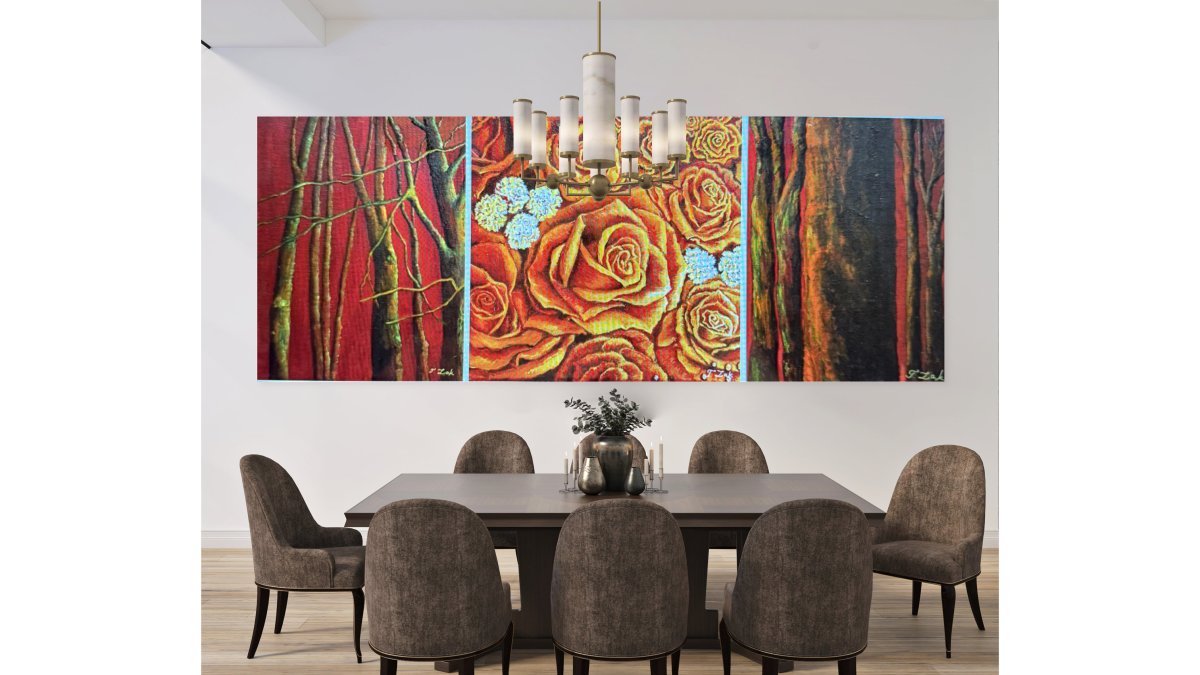
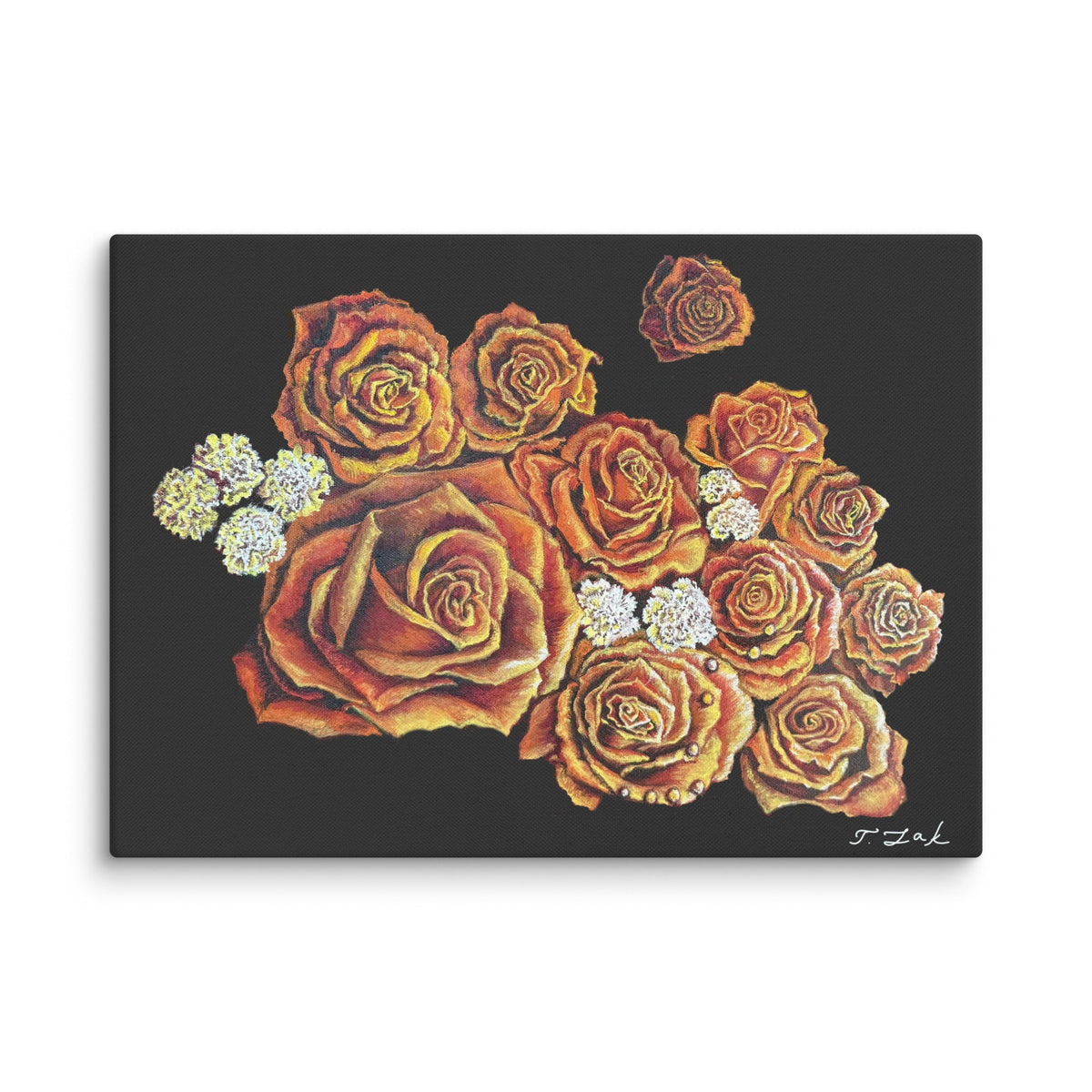
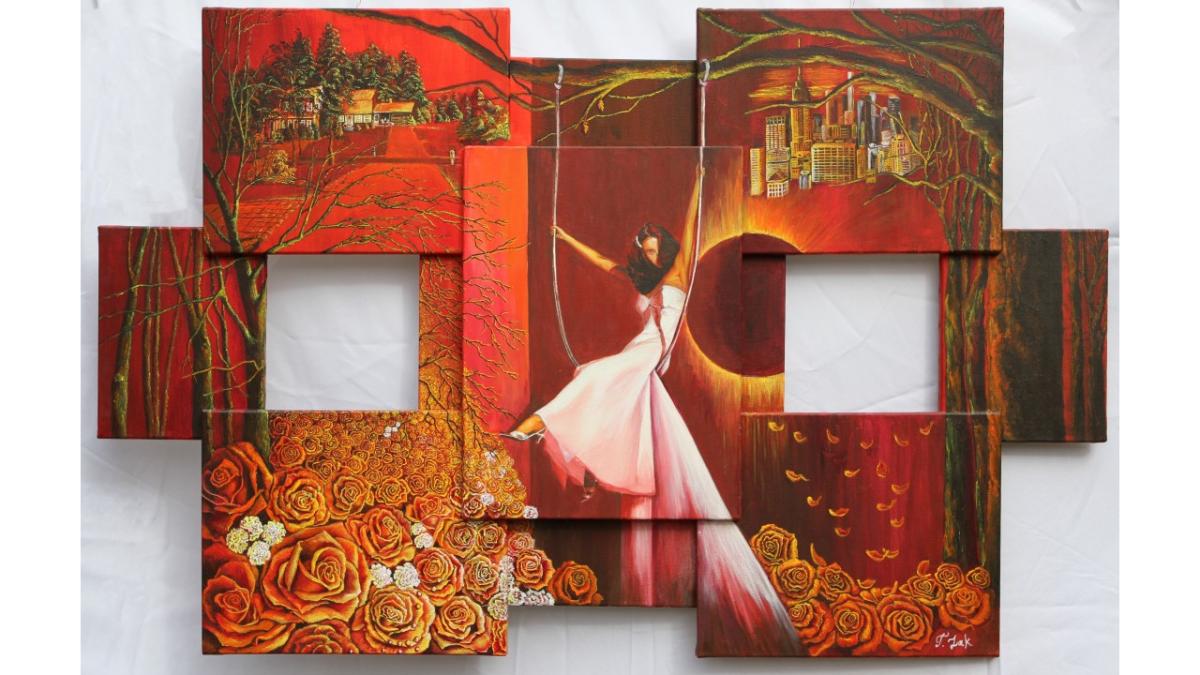
Tatyana Zak's collector editions range from $495 for the Bride on the Swing (24" x 18" hand-enhanced print on canvas) to $999 for the Swing of Life™ installation (42" x 66", limited release). The Four-Panel Journey in Balance set, featuring four 16" x 16" hand-enhanced panels, is priced at $625. These prices reflect the individual hand-embellishment work required for each piece.

The Technical Print Processes Behind the Price
Two prints with the same edition size can differ in price by an order of magnitude because of how they were made. The three most common processes:
- Giclée (inkjet fine art print). Pigment-based inks sprayed onto archival paper or canvas. Highest color gamut, best longevity, typically rated 100+ years under UV-filtering glazing. The standard for contemporary limited editions and hand-embellished work.
- Lithograph (offset or stone). Ink transferred from a plate or stone. Historically significant and often more affordable, but color depth and longevity depend on the inks and paper. Common in mass-market "limited" editions.
- Screenprint (serigraph). Ink pushed through a mesh screen, one color at a time. Produces flat, saturated color and a tactile ink layer. Labor-intensive, so editions are often small and priced higher per print.
When a listing says "limited edition print" without naming the process, ask. The answer tells you more about long-term value than the edition number does.
What Drives Long-Term Value
- Edition size: Fewer prints means more scarcity, but only within a proven artist's market.
- Artist trajectory: Emerging artists may appreciate as their careers develop; established artists tend to hold steady.
- Medium and process: Archival giclée on canvas and hand-pulled screenprints typically hold value better than offset lithographs on poster paper.
- Condition: Pristine pieces with original documentation command premiums; foxing, fading, or trimming cuts value sharply.
- Provenance: Direct-from-artist purchases carry clean histories. Auction records and gallery receipts strengthen resale.
- Hand-embellishment: One-of-a-kind modifications within an edition create a tier above the standard run.
The Secondary Market, Insurance, and Appraisal
Most buying guides stop at the checkout page. What happens after you own the piece matters just as much.
Reselling. Limited editions trade on the secondary market through auction houses, online art marketplaces, and directly between collectors. Before you buy, check whether comparable works by the same artist have sold recently, auction result databases and gallery archives are the standard references. A piece with no secondary market history is a passion purchase, not a liquid asset.
Insurance. Fine art is typically covered under a homeowner's or renter's policy only up to a sublimit (commonly a few thousand dollars). Above that, you'll want a scheduled personal property endorsement or a standalone fine art policy. Insurers usually ask for the COA, a purchase receipt, and a photograph of the framed piece.
Appraisal. For pieces valued above a few thousand dollars, a written appraisal from a qualified appraiser establishes replacement value for insurance and fair market value for resale or donation. Update appraisals every few years, especially if the artist's market moves.
How to Frame Limited Edition Art Without Damaging It
Proper framing protects both the visual integrity and the monetary value of your print. Museum-grade standards exist for a reason: poor materials cause irreversible damage within years.
Use acid-free paper mats and backing boards, specify UV protection glass or acrylic, and ensure the artwork doesn't touch the glass directly. These three rules prevent the most common causes of print degradation.
Mounting matters too. Never dry-mount or glue a limited edition print to a backing. Use archival hinges or corner pockets that let the paper expand and contract with humidity changes.
What Limited Edition Art Costs and What Drives Value
Picking a Piece for Your Space, or as a Gift
Choosing artwork for your home or office comes down to emotional connection first, practical fit second. A piece that resonates with you will remain meaningful for decades; one chosen purely for investment potential often ends up in storage.
Consider the space before the piece. A large installation like Swing of Life™ anchors a living room or lobby wall. Smaller works like Night Blues of the Suburbs (24" x 24") suit intimate spaces: a bedroom, reading nook, or hallway. Art sets work well for offices and gallery walls where cohesion matters.
As gifts, limited edition art carries weight mass-produced decor cannot. The recipient receives something genuinely scarce, often with a story behind it. Tatyana Zak's art bundles offer a curated approach for gift-givers who want meaningful pieces without the guesswork.
Frequently Asked Questions
Are limited edition art prints worth anything?
Yes, when the edition is genuinely capped and the artist's reputation grows. Value comes from scarcity, condition, and demand. A signed and numbered print from a small limited run, especially one with hand-embellished details, holds more collector interest than an open edition reproduction. Keep your certificate of authenticity, avoid direct sunlight, and store framing materials properly. These steps protect both the artwork and its resale potential over time.
What should I look for when buying limited edition prints online?
Check four things: the stated edition size, whether the print is signed and numbered, the paper or canvas quality, and the return policy. A trustworthy seller lists the edition number, includes a certificate of authenticity, and uses archival materials like acid-free paper and pigment-based inks. If a listing says limited edition but never states the run size, treat that as a red flag and ask before you buy.
How do I know if a limited edition print is authentic?
Look for a pencil-signed edition number, an artist signature, and a certificate of authenticity that matches the edition size. The numbering usually appears as a fraction, such as 12/50, meaning the twelfth print in a run of fifty. Buy from the artist directly or from a gallery that documents provenance. Hand-embellished prints make verification easier because each piece carries unique brushwork that cannot be exactly duplicated.
How should I care for limited edition art prints once purchased?
Frame with acid-free matting and UV-protective glass, and hang the piece away from direct sunlight and damp rooms. Dust canvas or paper with a soft dry cloth rather than sprays or solvents. Keep the certificate of authenticity in a safe folder, not taped to the back of the frame. If you move, transport the artwork flat and wrapped, and let it reach room temperature before unwrapping to avoid condensation damage.
The challenge with buying limited edition art online is trusting what you cannot physically inspect. Tatyana Zak addresses this directly with individually hand-embellished prints, transparent edition information, and worldwide shipping that brings gallery-quality work to your door. Each piece is crafted with acrylic hand-enhancement, meaning your purchase is genuinely one of a kind within its edition. Explore the collection and find the piece that speaks to your space.