Limited Edition Prints Investment Guide
Table of Contents
- What Defines a Limited Edition Print
- Limited Edition vs Open Edition Prints: Understanding the Difference
- How to Value Art Prints for Investment
- Hand-Embellished Art Investment: Why Unique Pieces Command Premium Value
- Verifying Authenticity and Building Your Provenance Record
- Best Practices for Art Print Storage and Preservation
- Secondary Market Liquidity and Investment Returns
- Common Collector Pitfalls to Avoid
- Frequently Asked Questions
Last Updated: September 18, 2026
What Defines a Limited Edition Print
A limited edition print is a reproduction artwork created in a controlled, finite quantity, where each piece is signed and numbered by the artist or publisher, establishing the foundation for limited edition prints investment potential. Unlike open edition prints that can be reproduced indefinitely, limited editions establish scarcity through a predetermined edition size, creating the foundation for investment potential.

The edition size, typically ranging from 25 to 500 copies, is disclosed upfront and honored throughout the print's lifetime. Each print receives a unique number (for example, "5/100" indicates the fifth print in an edition of 100), which serves as proof of authenticity and rarity.
A certificate of authenticity, signed by the artist or publisher, verifies the edition size, production date, and specific number of your print. For collectors considering limited edition prints as investments, this certificate is non-negotiable, it's your legal proof of authenticity and essential for resale, insurance, and provenance.
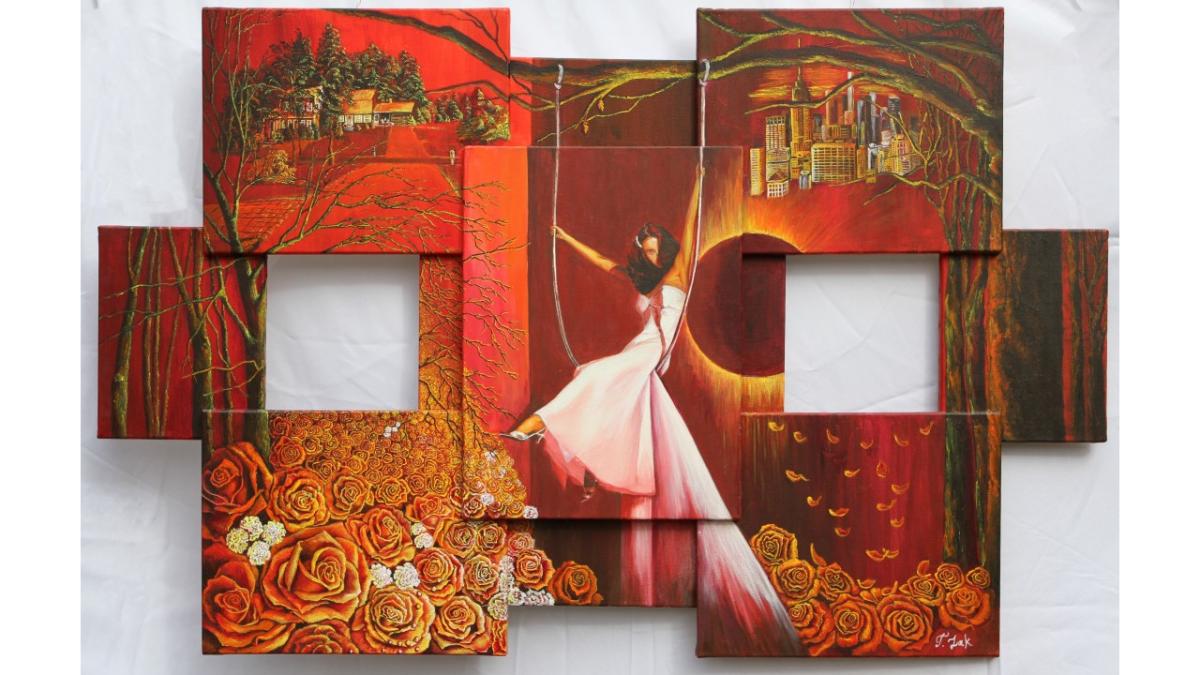
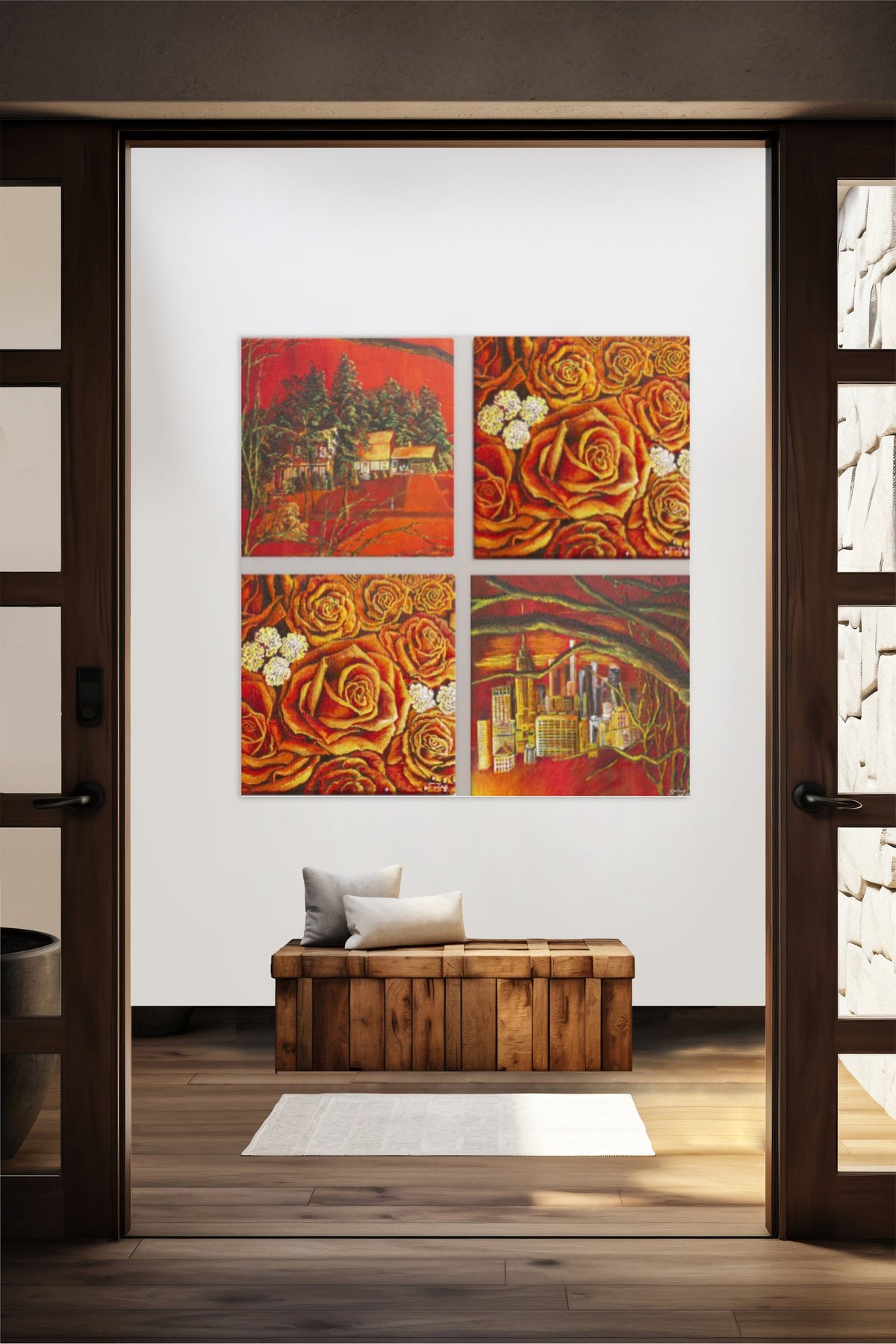
Hand-embellished limited editions, where the artist adds unique details to each print by hand, bridge the gap between reproduction and original artwork. At Tatyana Zak, each hand-embellished collector edition is individually enhanced with acrylic paint, meaning no two pieces are identical despite sharing the same base image.

Limited Edition vs Open Edition Prints: Understanding the Difference
Open edition prints have no predetermined limit on how many copies can be produced, meaning supply is theoretically unlimited. This creates vastly different investment characteristics and collector appeal than limited editions.
With open editions, a piece that sells well today might be reprinted tomorrow, flooding the market and destroying value appreciation. Collectors have no assurance their purchase will remain rare or desirable.
Limited edition prints create a fixed supply. Once the edition closes, that's the final count. This predictability allows collectors to understand rarity relative to demand, creating an asset with controlled supply rather than unlimited reproduction potential.
Limited editions have historically outperformed open editions in secondary market sales. The numbered certificate and edition limit signal genuine scarcity to future buyers, justifying price increases. Open editions typically appreciate little or not at all.
How to Value Art Prints for Investment
Valuing art prints for investment requires understanding demand, rarity, artist reputation, and condition. Collectors who approach valuation systematically identify undervalued pieces and avoid overpaying.
Edition Size and Scarcity
Edition size is the most direct driver of scarcity value. However, scarcity alone doesn't determine value, demand matters equally. A scarce print with no collector interest will appreciate slowly, while a popular print in an edition of 200 might appreciate faster if demand outpaces supply.
Smaller editions command premium prices when demand is strong. Editions of 50 or fewer are actively sought, particularly if the artist has established market presence. Editions above 500 typically appreciate more slowly.
Compare a print's edition size to similar works by the same artist. If an artist typically releases editions of 100 but one piece was limited to 35, that piece commands higher investment potential.
Printmaking Techniques and Market Demand
Different printmaking techniques carry different market values. Lithography, screenprint, etching, and aquatint are traditional techniques collectors recognize and value. Giclée, a modern inkjet-based method, remains less valued than traditional techniques for investment purposes.
Lithography and etching require significant technical skill and produce visible texture and depth. A limited edition lithograph typically commands higher prices than a giclée print of the same image, even if both are numbered and signed.
Screenprints are labor-intensive, produce striking visual results, and have strong collector followings. An artist known for screenprinted limited editions often sees those works appreciate faster than their work in other media.
Contemporary collectors increasingly value hand-embellished prints, where traditional printing is enhanced with hand-applied paint or mixed media.
Swing of Life™ - Hand-Embellished →
Provenance and Certificate of Authenticity
Provenance, the documented history of ownership, is crucial for investment-grade prints. A print with clear provenance is worth more than an identical print with unknown history and establishes a value trajectory future buyers can reference.
Hand-Embellished Art Investment: Why Unique Pieces Command Premium Value
Hand-embellished limited editions represent a premium category within the print market, combining reproducibility and accessibility with uniqueness and craftsmanship. Each piece is individually enhanced by the artist, making every piece in the edition genuinely one-of-a-kind.
Verifying Authenticity and Building Your Provenance Record
Before investing in any limited edition print, establish a clear verification process. Examine the certificate of authenticity carefully for artist signature, edition number, and publisher information. Contact the publisher or artist directly to confirm validity if you have any doubt.
Best Practices for Art Print Storage and Preservation
Condition directly impacts resale value. Proper storage and handling are non-negotiable for anyone treating limited edition prints as assets.
Secondary Market Liquidity and Investment Returns
Secondary market liquidity, how easily you can sell your print and at what price, determines whether your investment actually performs. Understanding market liquidity is essential for realistic investment planning.
Understanding Art Market Volatility
Art market prices fluctuate based on artist reputation, economic conditions, and collector sentiment. Understanding this volatility helps you set realistic expectations.
Tax and Insurance Implications
When you sell a limited edition print at a profit, that gain may be subject to capital gains tax (Topic no. 409, Capital gains and losses). Consult a tax professional.
Common Collector Pitfalls to Avoid
Buying based on emotional appeal without considering market factors is a common mistake. The best investment prints combine genuine personal connection with favorable market characteristics.
Frequently Asked Questions
Are limited edition prints a good investment?
Limited edition prints can appreciate in value when they meet specific criteria: the artist has established market recognition, edition size is genuinely restricted, provenance is documented, and the work uses archival materials. However, not all limited editions gain value. Market volatility, artist demand, and secondary market liquidity significantly influence returns. Hand-embellished limited edition prints, where each piece is individually enhanced by the artist, tend to hold stronger value because they bridge reproduction and original artwork. Success depends on careful selection and understanding the specific artist's market trajectory.
What makes a limited edition print valuable?
Value in limited edition prints stems from several interconnected factors. Edition size creates scarcity, smaller runs typically command higher prices. Printmaking technique matters; lithography, aquatint, and screenprint editions often hold value better than giclée prints. Artist reputation and art historical significance directly influence collectibility. Provenance documentation through certificates of authenticity and catalogue raisonné entries establishes legitimacy. Condition and archival material quality affect long-term appreciation. Hand-embellished editions gain additional value because the artist's direct involvement transforms each piece into a unique creation, increasing perceived exclusivity and investment-grade status.
How should limited edition prints be stored to maintain value?
Proper storage preserves both condition and investment value. Store prints flat or rolled (never folded) in acid-free boxes or archival sleeves to prevent deterioration. Maintain stable temperature between 60-75°F and humidity between 30-50% to avoid warping, mold, or fading. Keep away from direct sunlight, which degrades pigments over time. Avoid damp basements or attics where temperature and humidity fluctuate. For framed pieces, use UV-protective glass and acid-free matting. Document storage location and condition in your provenance record. Hand-embellished prints with acrylic details require the same archival standards as traditional prints to preserve the artist's hand-applied enhancements and maintain their investment-grade condition.
What is the difference between an open edition and a limited edition print?
Open edition prints have no restriction on how many copies can be produced, making them indefinitely available. Limited edition prints are produced in a fixed, pre-announced quantity and then the printing plates or screens are destroyed, ensuring scarcity. This fundamental difference drives investment potential. Limited editions appreciate because supply is controlled; open editions typically depreciate as more copies enter the market. Limited editions include a signed and numbered certificate stating the total edition size (for example, 35/100 means piece 35 out of 100 total). Open editions lack this certification. For collectors seeking investment-grade pieces, limited editions with documented edition size and provenance command premium prices, while open editions serve decorative purposes without appreciation potential.
How do you verify the authenticity of a limited edition print?
Verify authenticity through multiple checkpoints. Request a certificate of authenticity signed by the artist or publisher stating edition size, printing date, and artist signature. Cross-reference the piece's number against the catalogue raisonné (the official record of all works by an artist). Examine the artist's signature for consistency with known examples. Confirm the edition size matches published records, restrikes (reprints after the original edition sold) or posthumous editions should be clearly labeled. Ask for provenance documentation showing previous ownership history. Inspect materials for archival quality; genuine limited editions use acid-free paper or canvas. For hand-embellished pieces, request detailed photos or condition reports showing the artist's hand-applied details. Reputable galleries and artists provide comprehensive documentation supporting investment-grade status.
What are hand-embellished prints and why do collectors value them?
Hand-embellished prints begin as high-quality reproductions that the artist then individually enhances by hand using acrylic paint, pastels, or other media. This process transforms each print into a unique piece where no two are identical, bridging the gap between reproduction and original artwork. Collectors value hand-embellished prints because they combine the affordability and consistency of prints with the uniqueness and presence of original art. Each piece carries the artist's direct involvement, increasing perceived exclusivity and investment-grade potential. The hand-enhancement process adds texture, depth, and character that standard prints lack. Because each piece is individually created, hand-embellished limited editions command premium prices compared to unembellished prints, similar to how original paintings appreciate faster than mass-produced reproductions.
What tax and insurance considerations apply to limited edition print investments?
Limited edition prints may qualify as collectible assets for tax purposes. Consult a tax professional about capital gains tax when you sell appreciated pieces. For insurance, obtain appraisals from qualified art appraisers to establish fair market value; many homeowner policies have low collectibles limits requiring separate fine art coverage. Document your collection with photographs, certificates of authenticity, and condition reports. Keep receipts and provenance records for all acquisitions. Some collectors use art insurance riders or specialized fine art policies. Proper documentation protects both your investment and insurance claims.