Emotional Impact of Abstract Art: A Guide
Table of Contents
- How Abstract Art Triggers Emotional Response
- The Science of Neuroaesthetics and Cognitive Processing
- Abstract vs. Representational Art: Why Abstraction Deepens Emotional Connection
- Benefits of Abstract Art for Mental Health and Mood Regulation
- How to Choose Abstract Art for Your Home That Resonates
- Meaningful Gifts for Art Collectors in 2026: Hand-Embellished Pieces That Matter
- Self-Reflection and Inner States: What Abstract Art Reveals
- Frequently Asked Questions
Last Updated: September 19, 2026
How Abstract Art Triggers Emotional Response
The emotional impact of abstract art operates through direct engagement with visual stimuli rather than narrative or recognizable imagery. When you encounter an abstract painting, your brain doesn't process a story, it processes color, form, line, and composition as immediate sensory data. This creates a visceral response that bypasses the analytical filters we apply to representational work.

Abstract art speaks to the subconscious. A canvas of bold reds and blacks generates a different psychological state than soft blues and greens, regardless of what those colors might "represent." The viewer's inner states become activated not by what they're supposed to see, but by what their nervous system registers in real time. This is where the power lies, in the unmediated connection between visual information and emotional response.
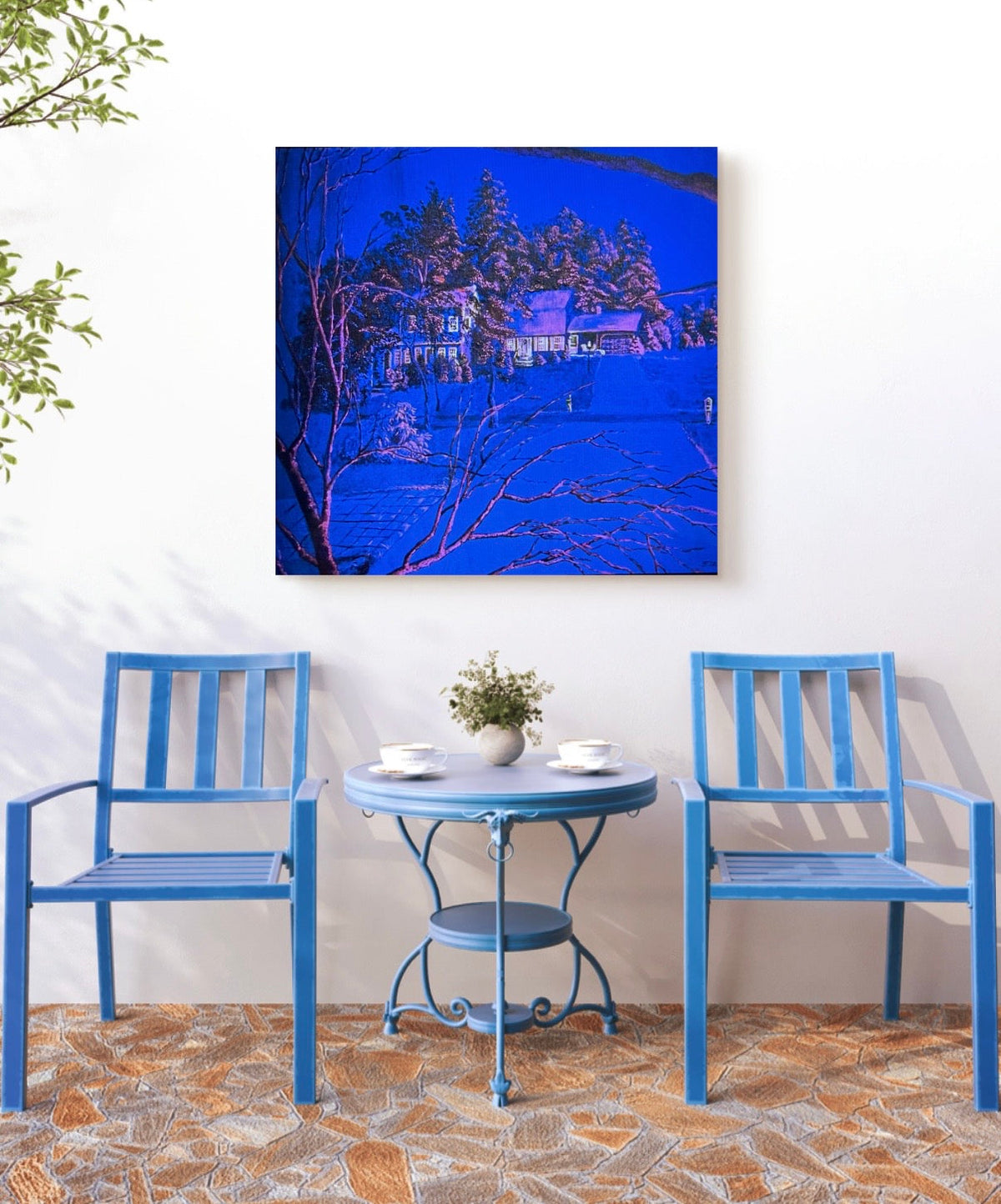
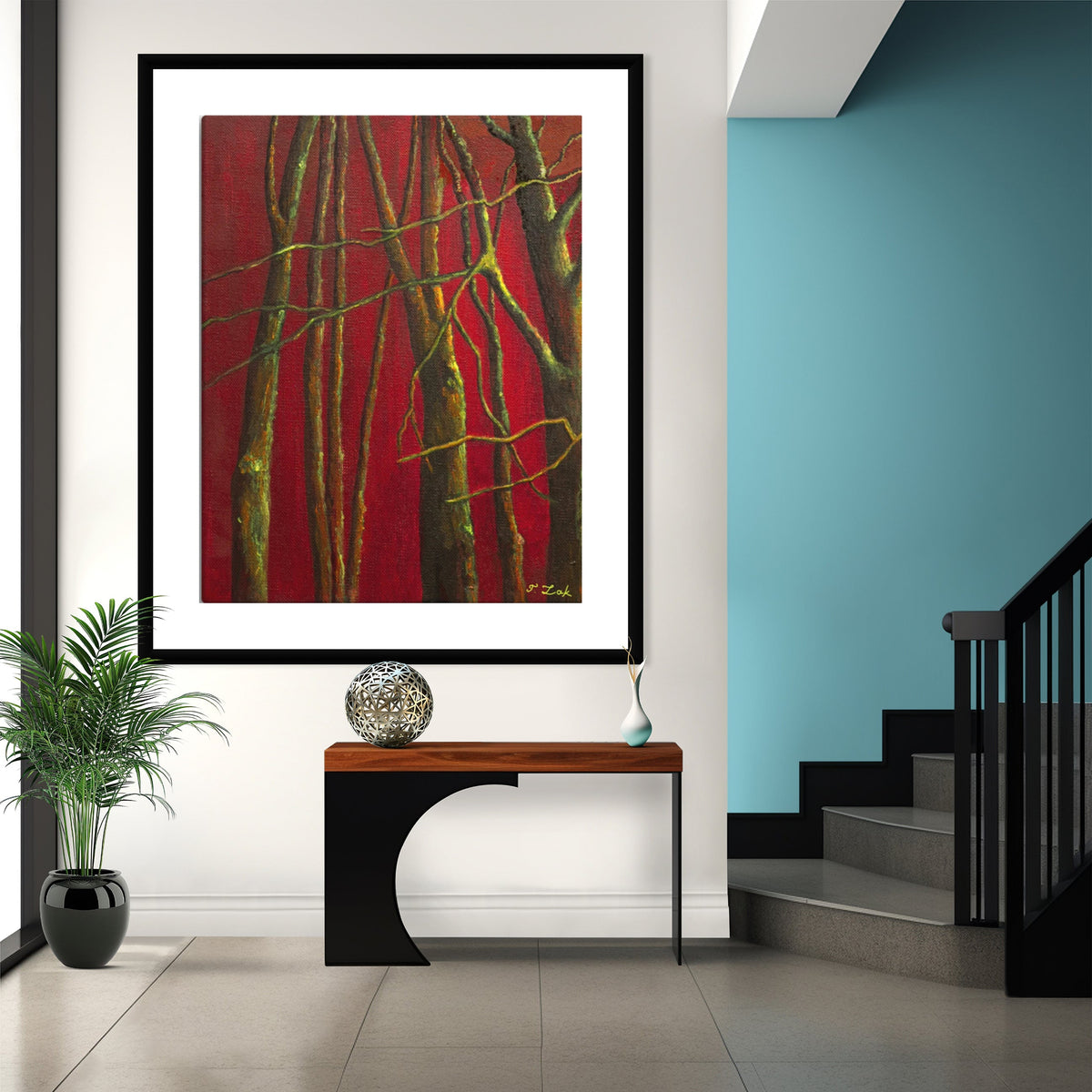
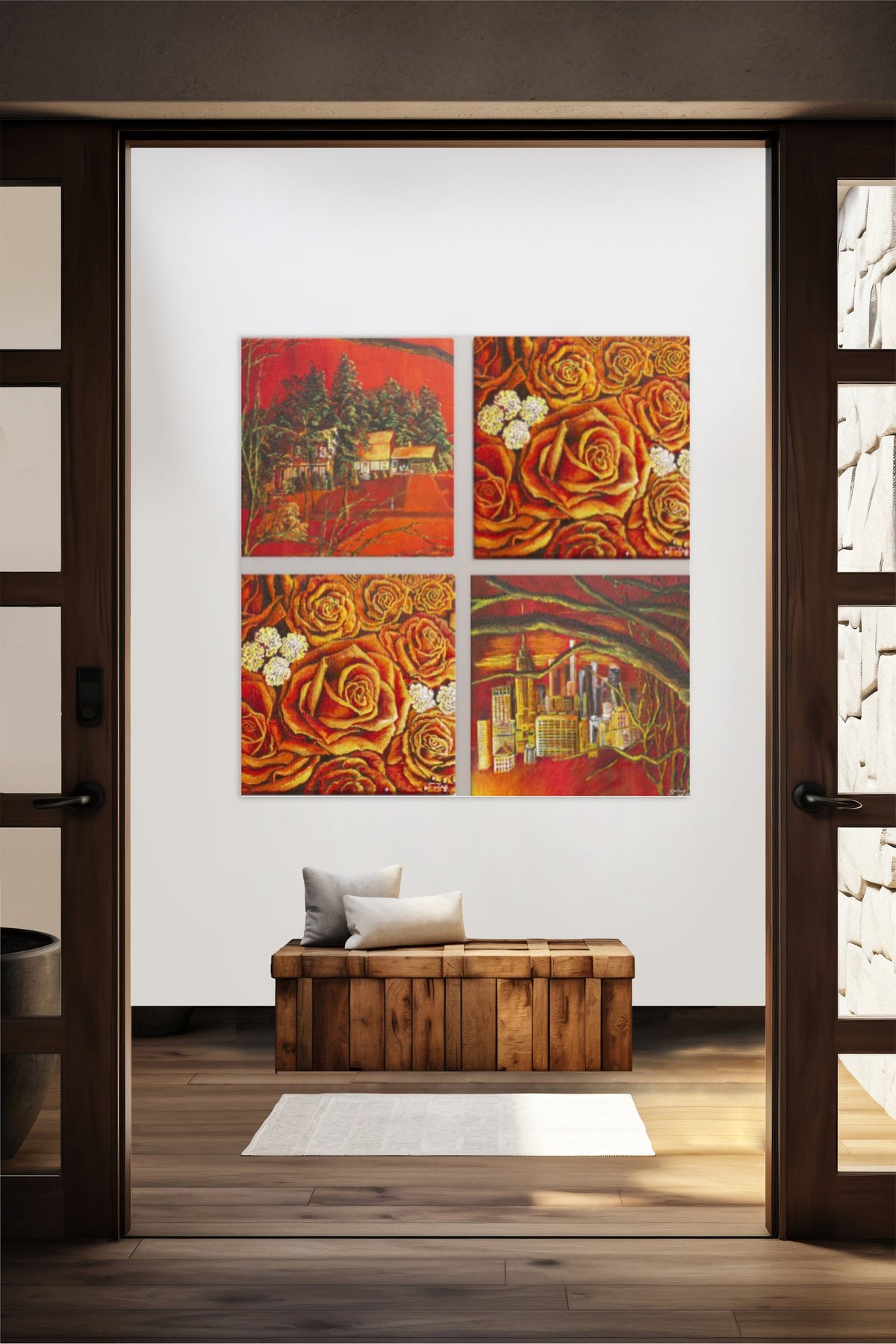
At Tatyana Zak, we create hand-embellished abstract pieces specifically designed to deepen this connection. Each work invites personal interpretation, allowing collectors to project their own experiences and emotional landscape onto the canvas. No two pieces are identical, because the hand-enhancement process ensures that your emotional journey with the work is uniquely yours.
Color Theory and Chromatic Intensity
Color operates as the primary emotional language in abstract art. Chromatic intensity, the saturation and brightness of color, directly influences arousal levels and emotional valence (Checking your browser). A muted palette creates contemplation; bold, saturated hues trigger energy and intensity.
The psychology of color extends beyond cultural association. Warm colors like reds and oranges stimulate the nervous system and elevate mood. Cool colors like blues and purples calm and introspect. But in abstract work, these effects compound. When you remove representational anchors, color becomes the entire message. A single canvas of deep indigo doesn't need to represent water or sky, it is the emotional experience of calm, depth, and introspection.
Layering colors creates complexity that mirrors emotional complexity. When brushwork adds texture and depth beyond the printed surface, as with Tatyana Zak's hand-enhanced pieces, the chromatic experience becomes three-dimensional. Light catches the acrylic additions differently depending on viewing angle, creating a dynamic visual experience that evolves as you spend time with the work.
Shapes, Lines, and Spatial Dynamics
Shapes and lines communicate through gestalt principles, the brain's tendency to organize visual elements into meaningful wholes. Angular, sharp lines trigger different neural responses than curved, flowing ones. A composition dominated by vertical lines creates stability; diagonal lines introduce tension and movement; horizontal lines suggest rest.
Spatial dynamics determine how your eye moves through the composition. A balanced, symmetrical arrangement feels resolved and peaceful. Asymmetry creates visual interest and mild tension, drawing the viewer into active interpretation. The negative space, what's not painted, becomes as important as what is. Empty space invites the viewer's mind to complete the picture, activating self-reflection and internal thought processes.
When you select abstract art for your home, pay attention to how your eye naturally moves across the canvas. Does the composition pull you in or push you away? Does it feel static or dynamic? These spatial dynamics trigger corresponding emotional and cognitive responses that will influence the work's long-term impact on your space.
The Science of Neuroaesthetics and Cognitive Processing
Neuroaesthetics is the study of how the brain responds to visual art at the neurological level (Checking your browser). When you view abstract art, multiple brain regions activate simultaneously: the visual cortex processes color and form, the amygdala responds emotionally, the prefrontal cortex engages in interpretation and meaning-making. This parallel processing creates the rich, multidimensional experience of aesthetic appreciation.
The brain doesn't separate "thinking about art" from "feeling about art." These processes happen together. Abstract art, precisely because it lacks representational anchors, demands more cognitive work from the viewer. Your brain must construct meaning rather than extract it. This active engagement strengthens neural pathways associated with pattern recognition, emotional regulation, and creative thinking.
Research into visual complexity shows that moderate complexity, not too simple, not overwhelming, produces the strongest aesthetic response and longest engagement. This is why many collectors find themselves returning to their abstract pieces repeatedly. The work reveals new visual relationships and emotional resonances over time, as your brain continues to process and reinterpret what you're seeing.
Abstract vs. Representational Art: Why Abstraction Deepens Emotional Connection
Representational art tells you what to feel by showing you what to see. A portrait conveys emotion through facial expression and body language. A landscape suggests mood through weather and light. The artist has already made interpretive choices for you.
Swing of Life™- 42" x 66" Original →
Abstract art inverts this relationship. Instead of the artist directing your emotional response, the work becomes a mirror for your own emotional landscape. You bring your psychological state to the canvas, and the abstract forms reflect it back to you. This is why the same piece resonates differently for different viewers, and why it can shift in meaning for you as your own inner states evolve.
This interpretive ambiguity is not a weakness. It's the mechanism that creates lasting emotional connection. When you choose abstract art for your home, you're choosing a work that will grow with you, revealing new dimensions as your life circumstances and emotional needs change. A piece that comforts you during difficulty may inspire you during joy. The work remains constant while your relationship to it deepens.
Benefits of Abstract Art for Mental Health and Mood Regulation
Abstract art functions as a tool for mood regulation and emotional processing. The act of viewing abstract work activates the brain's capacity for self-reflection and introspection. In therapeutic environments, wellness studios, clinical spaces, recovery settings, abstract art becomes part of the healing infrastructure.
Contemplating abstract forms creates a mental state similar to meditation.
How to Choose Abstract Art for Your Home That Resonates
Selecting abstract art is fundamentally different from selecting representational work. You cannot rely on subject matter or narrative to guide your choice. Instead, you must develop sensitivity to your own aesthetic and emotional responses.
Assessing Visual Complexity and Personal Interpretation
Begin by evaluating the visual complexity of potential pieces. Does the composition feel immediately accessible or does it demand sustained attention? Moderate complexity typically produces the strongest long-term engagement. A piece that's too simple may feel decorative rather than meaningful; a piece that's too complex may create visual fatigue.
Evaluating Emotional Valence and Aesthetic Experience
Emotional valence refers to the overall emotional tone, positive, negative, or neutral. Abstract works can create complex valences that don't map neatly onto simple categories. A piece might be simultaneously energizing and unsettling, calming and intellectually stimulating. Pay attention to these nuanced responses.
| Selection Criteria | What to Evaluate | Why It Matters |
|---|---|---|
| Visual Complexity | Does the composition feel balanced or demanding? | Moderate complexity sustains engagement over time |
| Color Palette | Do the colors create the emotional tone you want? | Chromatic intensity directly influences your nervous system |
| Spatial Dynamics | How does your eye move through the composition? | Movement patterns affect how long you stay engaged |
| Hand-Enhancement Quality | Is the texture visible and intentional? | Physical presence creates deeper emotional connection |
| Lighting Interaction | How does light play across the surface? | Dynamic visual experience changes throughout the day |
Meaningful Gifts for Art Collectors in 2026: Hand-Embellished Pieces That Matter
Selecting art as a gift requires understanding the recipient's emotional landscape and aesthetic preferences. Generic decorative pieces miss the mark because they lack personal resonance. Hand-embellished abstract art, by contrast, offers a gift that deepens in meaning over time.
Self-Reflection and Inner States: What Abstract Art Reveals
Abstract art functions as a mirror for your psychological state. The forms, colors, and compositions you're drawn to reveal something about your current inner experience. This is not mystical, it's cognitive psychology. Your brain gravitates toward visual stimuli that resonate with your current emotional and psychological needs.
Frequently Asked Questions
Does abstract art actually show emotions, or is that just interpretation?
Abstract art communicates emotion through color intensity, line movement, and compositional balance rather than literal imagery. Your brain processes these visual stimuli directly, triggering emotional and physiological responses. The emotional impact is real, rooted in how your nervous system reacts to chromatic intensity and spatial dynamics, but what you feel is also shaped by your own experience and subconscious associations. This blend of objective visual properties and subjective interpretation is what makes abstract art so powerful.
How can abstract art benefit mental health and mood regulation?
Abstract art engages your brain in active interpretation, which can reduce rumination and redirect focus during stress. The visual complexity encourages perceptual freedom and self-reflection, allowing you to project your inner states onto the work. Many people find that living with abstract pieces creates a calming environment that supports mood regulation. Hand-embellished works like those in the Swing of Life collection add tactile presence, deepening the aesthetic experience and emotional resonance over time.
What makes hand-embellished abstract art different from a standard print?
Hand-embellished pieces combine the consistency of a print with the uniqueness of original art. Each work is individually enhanced with acrylic paint by the artist, adding texture, depth, and subtle variations that no two pieces share. This bridges the gap between reproduction and original artwork, giving collectors the presence and character of a one-of-a-kind piece without the price of a fully original painting. The artist's hand becomes part of every surface, creating genuine emotional and aesthetic value.
How do I interpret abstract art if there's no clear subject matter?
Focus on your visceral response first: what colors, shapes, and lines draw your attention? Notice your emotional valence, does the work feel energizing, calming, or unsettling? Then explore the visual literacy by observing gestalt principles like balance, movement, and rhythm. Consider what inner states or life experiences the composition might reflect. There is no single correct interpretation. Abstract art invites you to bring your own narrative, making the experience deeply personal and meaningful.