Contemporary Art Investment Tips for 2026
Table of Contents
- Why Contemporary Art Belongs in Your Investment Portfolio
- Setting Investment Goals and Your Collecting Strategy
- How to Research Artists and Understand Market Trends
- Affordable Original Art for Sale: Building a Collection on Your Budget
- Hand-Embellished Limited Edition Prints Value and Authenticity
- Best Practices for Art Preservation and Protecting Your Investment
- Exit Strategies and Maximizing Long-Term Returns
- Frequently Asked Questions
Last Updated: September 20, 2026
Why Contemporary Art Belongs in Your Investment Portfolio
Contemporary art investment offers something traditional portfolios often lack: emotional resonance paired with genuine asset appreciation potential. Unlike stocks or bonds, art serves a dual purpose, it enriches your living space while building wealth over time. This matters because contemporary art investment creates a tangible hedge against market volatility while delivering the intangible benefit of daily enjoyment.
The contemporary art market operates differently than most people assume. It's not purely speculative. Serious collectors and institutions treat art as a legitimate asset class with measurable historical performance. Emerging artists whose work gains recognition can see valuations increase substantially. Established contemporary artists with gallery representation and auction history provide more predictable appreciation trajectories.
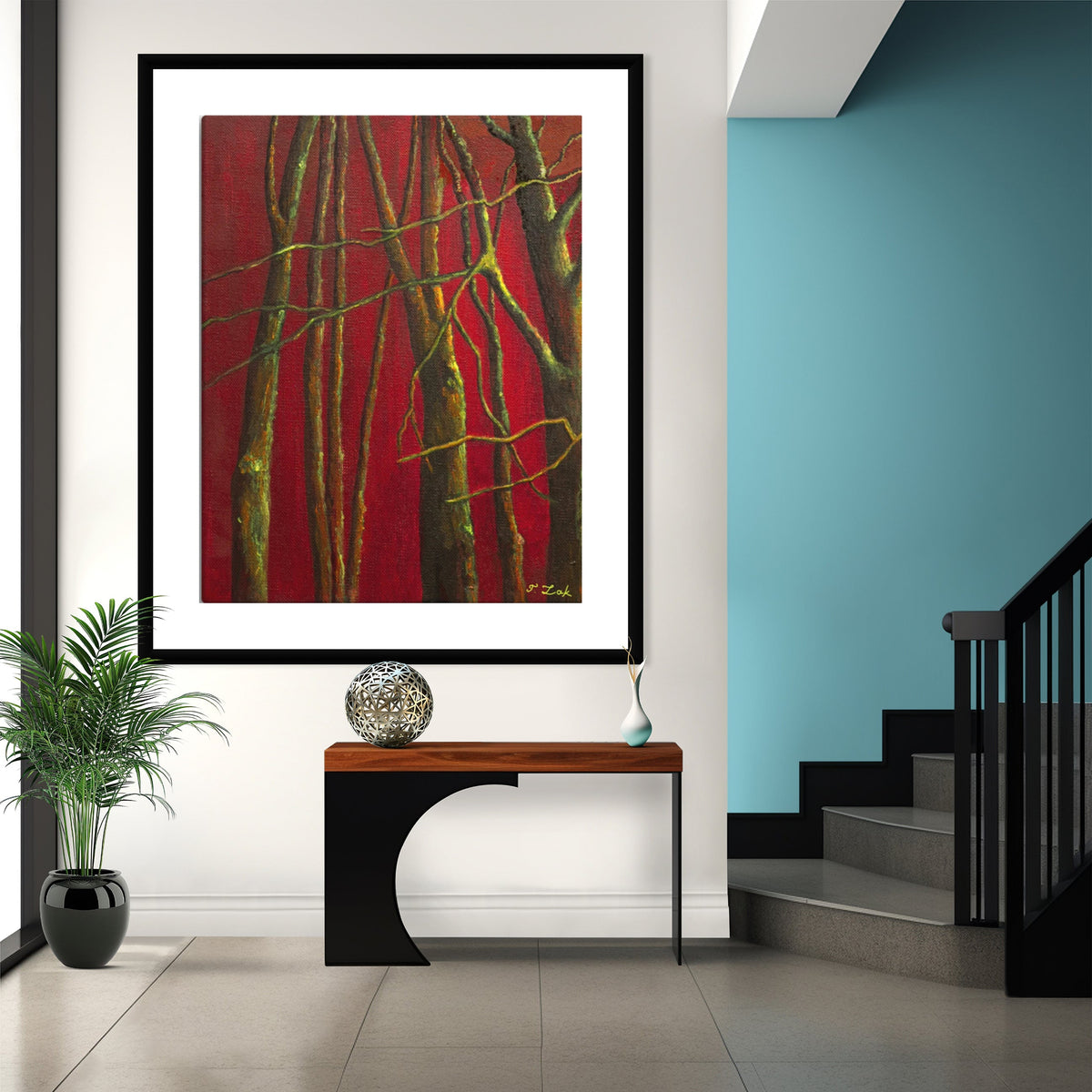
At Tatyana Zak, we understand that building an art collection isn't about chasing trends, it's about selecting pieces that resonate with you personally while maintaining sound investment principles. Hand-embellished limited edition prints offer an accessible entry point into collecting. These pieces bridge the gap between reproduction prints and original paintings, providing authenticity through the artist's direct involvement while remaining more affordable than one-of-a-kind works.

Setting Investment Goals and Your Collecting Strategy
Define what success looks like before you buy anything. Are you building a collection for personal enjoyment with appreciation as a secondary benefit? Or are you approaching this as a pure investment vehicle where emotional connection is irrelevant? Your answer shapes every subsequent decision.
A practical collecting strategy starts with establishing your budget and investment horizon. How much capital can you deploy without affecting your financial security? Are you planning to hold pieces for 5 years, 15 years, or indefinitely? Collectors with longer horizons can absorb market volatility and benefit from compound appreciation. Those planning to exit within 3-5 years need more conservative selections focused on established artists with proven secondary market demand.
Consider portfolio diversification within your art collection itself. Don't allocate your entire budget to a single artist or style. Mix emerging contemporary artists with established names. Include different mediums and price points. This approach reduces risk if one artist's market trajectory stalls or if your taste evolves. A balanced collection might include original paintings from established artists, hand-embellished limited edition prints from emerging voices, and perhaps one museum-quality installation piece as an anchor investment.
How to Research Artists and Understand Market Trends
Researching artists requires moving beyond surface-level impressions. Look at exhibition history, gallery representation, auction results, and critical reception. Has the artist shown in reputable galleries? Are their works held in institutional collections? Do auction results show consistent price appreciation or volatility?

Primary market performance matters enormously. Artists represented by established galleries typically command higher prices and show stronger market positioning than those selling exclusively online. Gallery representation provides legitimacy and access to serious collectors. It also creates natural scarcity, galleries control distribution and pricing, preventing market flooding that would destroy value.
Understanding market trends means tracking which contemporary artists are gaining institutional recognition and which are losing momentum. Follow major art fairs, auction house results, and gallery announcements. Artists whose work enters museum collections typically see stronger long-term appreciation. Those gaining attention from major collectors and institutions are positioning themselves for sustained demand.
Pay attention to the secondary market, where collectors resell pieces. If an artist's work rarely appears at auction or in resale listings, that signals either strong collector retention (positive) or weak demand (negative). Price trajectories at auction reveal whether demand is expanding or contracting. An artist whose pieces consistently sell above estimate is appreciating faster than one where pieces languish or sell below reserve.
Affordable Original Art for Sale: Building a Collection on Your Budget
Most people assume serious art collecting requires six-figure budgets. This misses the reality of the contemporary art market. Emerging artists, limited edition prints, and smaller original works offer accessible entry points that don't sacrifice quality or investment potential.
Affordable original art for sale ranges from hand-embellished prints starting around $595 to original paintings in the $5,000-$15,000 range. This price band captures work from artists with real gallery representation and institutional interest, not amateur hobbyists. Limited edition prints provide particular value because they combine artist involvement with more accessible pricing. When an artist hand-embellishes each print with acrylic details, every piece becomes genuinely unique despite being produced from the same base image.
Building a collection on a modest budget requires patience and strategic selection. Start with one piece that genuinely moves you, something you'll live with happily for years regardless of market performance. This establishes your aesthetic direction and prevents impulse purchases driven by investment hype. Add subsequent pieces gradually, spacing purchases over months or years rather than deploying capital all at once. This approach reduces timing risk and allows you to learn the market progressively.
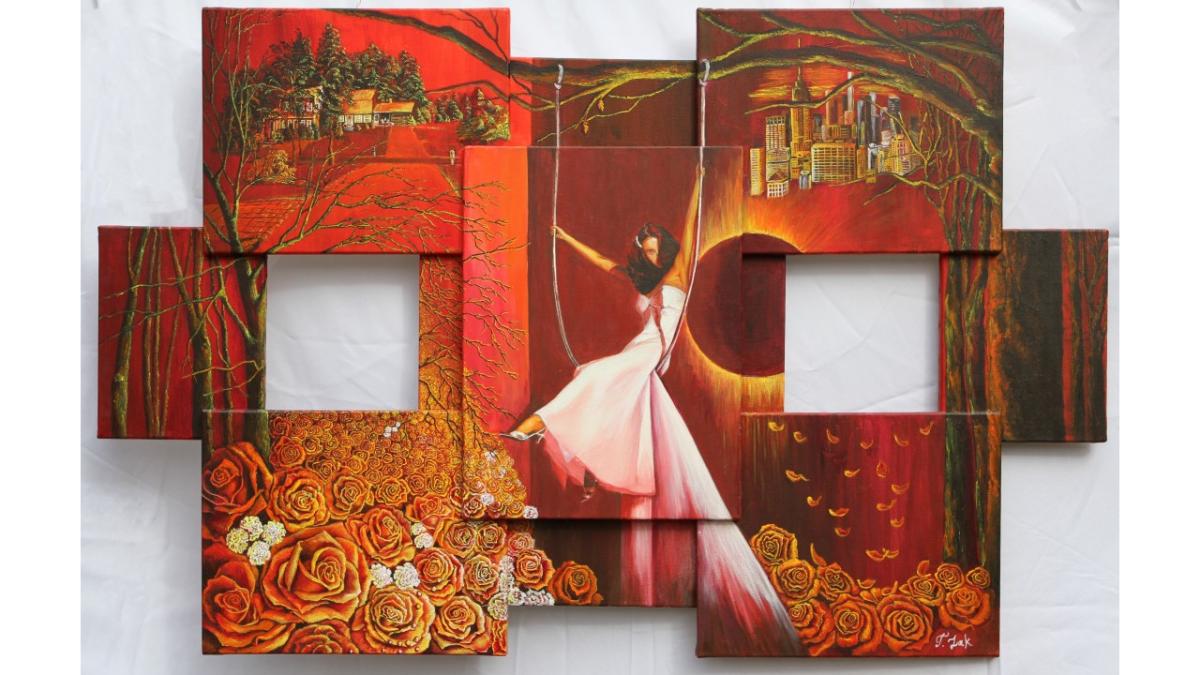
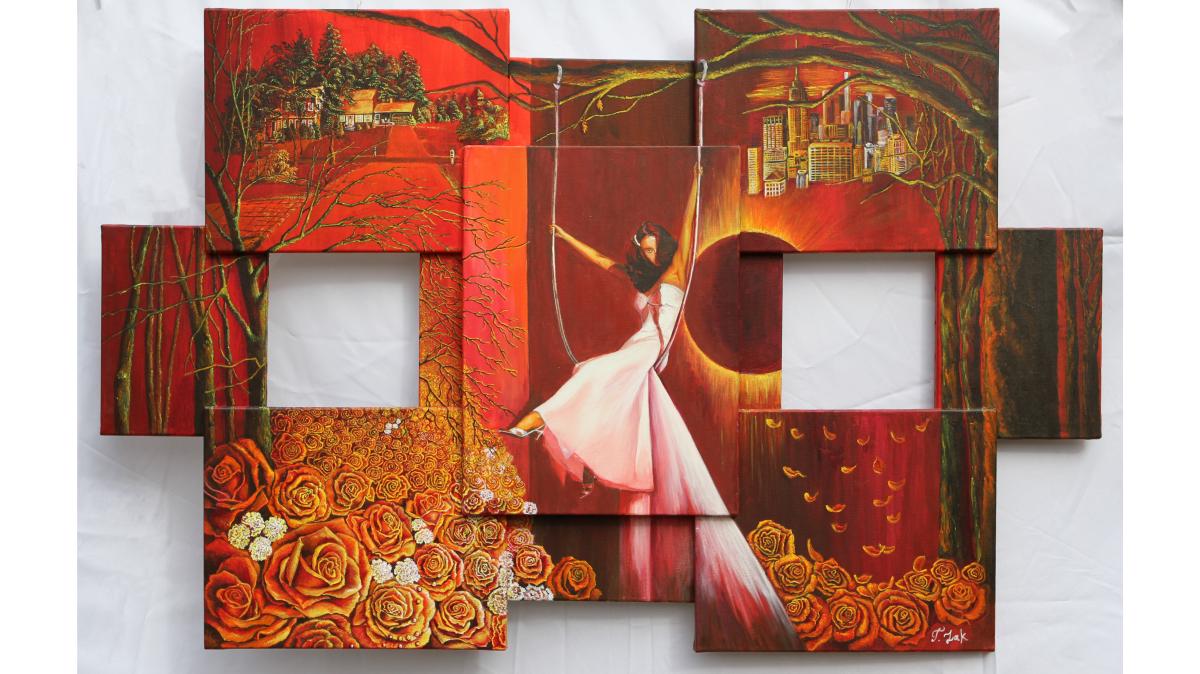
Consider starting with hand-embellished limited edition prints from emerging contemporary artists. These pieces offer several advantages: lower entry price, artist-created uniqueness, scarcity through edition limits, and strong appreciation potential as artists gain recognition. The Swing of Life collection, for example, features hand-enhanced prints starting at $595, each individually modified by the artist to ensure no two pieces are identical.
Swing of Life™- 42" x 66" Original →
Hand-Embellished Limited Edition Prints Value and Authenticity
Hand-embellished limited edition prints represent a distinct category that deserves careful evaluation. These aren't mass-produced reproductions. When an artist hand-enhances prints with acrylic or other media, they're creating semi-original works that carry genuine artistic input.
The value proposition rests on three pillars: authenticity, scarcity, and artist involvement. Authenticity means the work is genuinely created or enhanced by the named artist, not produced by assistants or machines. Scarcity means the edition is truly limited, the artist commits to producing only a specific number of pieces, typically 25-50 per edition. Artist involvement means the enhancement process is meaningful and visible, not a token gesture.
Limited edition prints from established contemporary artists appreciate meaningfully over time. This happens because early collectors benefit from scarcity, and as demand grows, prices rise accordingly.
Verify authenticity through certificates of authenticity, artist signatures, edition numbering, and provenance documentation. Legitimate limited edition prints come with numbered certificates stating the total edition size and the specific piece number (e.g., 12/35, meaning the 12th piece of a 35-piece edition). This documentation is essential for future resale and institutional acceptance.
Best Practices for Art Preservation and Protecting Your Investment
Protecting your investment requires attention to environmental conditions and proper handling. Art degrades through exposure to light, humidity fluctuations, temperature extremes, and physical damage. Preservation practices directly impact long-term value.
Store original art and limited edition prints in climate-controlled environments. Ideal conditions maintain temperatures between 65-75°F and humidity between 45-55%. Extreme swings cause material expansion and contraction, leading to cracking, warping, and color fading. Avoid basements prone to moisture or attics subject to temperature extremes.
Frame and display artwork using conservation-grade materials. Standard frames and glass accelerate deterioration. Acid-free matting, UV-protective glass, and proper backing prevent damage from light exposure and environmental contamination. Professional framing costs more initially but preserves value far more effectively than budget alternatives.
Insurance protects against loss, theft, and damage. Obtain a professional appraisal from a qualified art appraiser, not the gallery that sold you the piece. This independent valuation establishes replacement value for insurance purposes. Update appraisals every 3-5 years as market conditions change.
Exit Strategies and Maximizing Long-Term Returns
Understanding how you'll eventually exit your art investment shapes your selection strategy. Art isn't liquid like stocks, selling requires time, effort, and often involves transaction costs that reduce returns.
| Strategy | Time Horizon | Best For | Key Consideration |
|---|---|---|---|
| Emerging artist focus | 7-15 years | Growth potential | Higher volatility, requires research |
| Established artist mix | 5-10 years | Balanced appreciation | More stable, moderate returns |
| Limited edition prints | 5-12 years | Accessible entry | Strong appreciation, inherent scarcity |
| Original paintings | 10+ years | Portfolio anchors | Higher initial cost, stronger appreciation |
EXTERNAL CITATIONS:
Frequently Asked Questions
How do I start investing in contemporary art without a massive budget?
Begin with hand-embellished limited edition prints rather than original paintings. Pieces like the Swing of Life hand-enhanced collector edition ($999) offer authentic artist intervention and certificate of authenticity at a fraction of original art prices. Set a realistic budget, research emerging artists with strong market positioning, and focus on work that resonates personally, emotional connection often correlates with long-term value appreciation in contemporary art.
What factors determine the long-term value of contemporary art?
Artist reputation, exhibition history, provenance documentation, and market demand drive value. Limited edition status matters: numbered prints with certificates of authenticity hold value better than unlimited reproductions. Cultural relevance and historical performance of similar artists inform pricing. Gallery representation, auction results, and whether the artist is actively collected by institutions and established collectors all signal investment potential. Hand-embellished details that make each piece unique can enhance perceived value versus standard prints.
How does hand-embellished art compare to traditional prints for investment?
Hand-embellished pieces bridge reproduction and original artwork, creating scarcity and uniqueness that standard prints cannot match. Each hand-enhanced piece is individually distinct due to artist intervention, which justifies higher valuations and stronger collector demand. Limited edition hand-embellished prints with certificates of authenticity typically appreciate better than unlimited mass-produced prints because they carry provenance, artist signature, and the tangible mark of the creator's hand, factors that secondary market buyers value significantly.
Is contemporary art a good hedge against inflation in 2026?
Yes, contemporary art historically appreciates during inflationary periods because it functions as a tangible asset class separate from currency fluctuations. Unlike stocks or bonds, physical art holds intrinsic value tied to artist reputation and cultural relevance rather than interest rates. Blue-chip contemporary artists and emerging artists with strong market positioning show annualized returns that often exceed inflation. However, liquidity is lower than stocks, so art works best as a long-term, diversified portfolio component rather than a quick inflation hedge.