Emotional Impact of Home Art: How Art Shapes Your Mood
Table of Contents
- How Home Art Shapes Your Daily Emotional State
- The Psychological Benefits of Art in the Home
- Hand-Embellished Art vs Prints: Why the Difference Matters Emotionally
- Placement Psychology: Where You Hang Art Changes How You Feel
- Meaningful Gifts for Art Collectors 2026: Choosing Art That Resonates
- Art for Neurodivergent Needs and Budget-Friendly Emotional Design
- Conclusion
- Frequently Asked Questions
Last Updated: September 12, 2026
How Home Art Shapes Your Daily Emotional State
The emotional impact of home art is the measurable effect that color, composition, and placement have on your mood, stress level, and sense of calm each day. This guide from Tatyana Zak breaks down how the pieces on your walls quietly influence how you feel from morning to night.
Walk into a room with a painting you love and something shifts before you've consciously registered it. Your shoulders drop. Your breathing slows. That reaction isn't sentimental, it's neurological. Your brain processes visual information faster than language, which means art reaches your emotional centers before you've formed a single thought about it.
Below, we'll show you exactly how color, placement, and craft shape that response, and how to use it deliberately in your own space.

The Psychological Benefits of Art in the Home
Psychological benefits of art in the home include reduced anxiety, improved mood regulation, and a stronger sense of personal identity within your living environment. These aren't abstract perks. They come from specific visual triggers you can control, and the emerging field of neuroaesthetics is starting to explain why.
Neuroaesthetics is the study of how the brain processes and responds to art and beauty. Researchers in this field, including work associated with the International Association of Empirical Aesthetics and the Penn Center for Neuroaesthetics, describe a consistent pattern: viewing art you find pleasing engages the brain's reward and emotional-processing networks, which is why a single glance at a meaningful piece can shift your physiological state before you've formed a conscious opinion about it. Your brain processes visual information faster than language, so art reaches your emotional centers first.
The American Psychological Association's resources on art and mental health note that engaging with visual art supports emotional processing and stress mitigation. A common approach is to treat your walls as an active part of your wellbeing routine rather than a finishing touch.
- Anxiety reduction: Calming themes give your nervous system a visual anchor, lowering the vigilance that builds through a demanding day
- Emotional regulation: Familiar, meaningful imagery helps you settle after a hard day by giving undirected feeling somewhere to land
- Self-expression: What you display signals who you are, reinforcing identity and confidence
- Mental clarity: Less visual clutter means less cognitive load, so the art you do display carries more weight
Color Psychology and Emotional Regulation
Color psychology is the study of how different hues trigger specific emotional and physiological responses. In interior spaces, it's one of the most direct levers you have over the mood of a room.
Cool blues and muted tones tend to slow the heart rate and invite reflection. Warm ochres and soft reds lift energy and encourage conversation. Deep greens connect a space to calm, natural environments, echoing principles found in biophilic design research from the University of Minnesota. The key is saturation: highly saturated colors stimulate, while muted, layered palettes soothe.
A common mistake is choosing art by color trend alone. The piece that matches your sofa may not be the piece that calms you. Start with the emotional outcome you want, then find the palette that delivers it.
The Mechanism: Why Your Brain Responds Before You Do
Most articles stop at "art makes you feel better." The more useful question is why, because the mechanism tells you what to look for.
Three things happen in sequence when you look at a piece you love:
- Fast visual intake. The brain routes visual information through the amygdala and related emotional centers before slower language and reasoning regions catch up. That's why the reaction feels instant and physical.
- Predictive processing. Your brain constantly predicts what it's about to see. A composition that is complex enough to hold interest but ordered enough to be legible resolves that prediction cleanly, which registers as pleasure. Chaos reads as threat; boredom reads as nothing.
- Repeated exposure. Familiarity compounds. A piece you walk past daily becomes a stable emotional cue, which is why the same artwork can calm you more in month six than it did on day one.
This is the practical takeaway: the strongest home art is legible at a glance, rich enough to reward a longer look, and placed where you'll actually see it every day.
Measuring Your Own Response
You don't need a lab to test this. A simple pattern many people use:
- Note how you feel the first time you see a candidate piece in your space
- Live with it for two weeks and check whether the reaction holds or fades
- Move it to a different room and compare
If a piece only works in one spot, that's placement, not the art. If it works everywhere, it's a genuine emotional anchor.
Hand-Embellished Art vs Prints: Why the Difference Matters Emotionally
Hand-embellished art is a print that the artist has individually painted over with acrylic, making each piece unique. A standard print is a reproduction, identical across every copy. That distinction changes what you feel when you look at it.
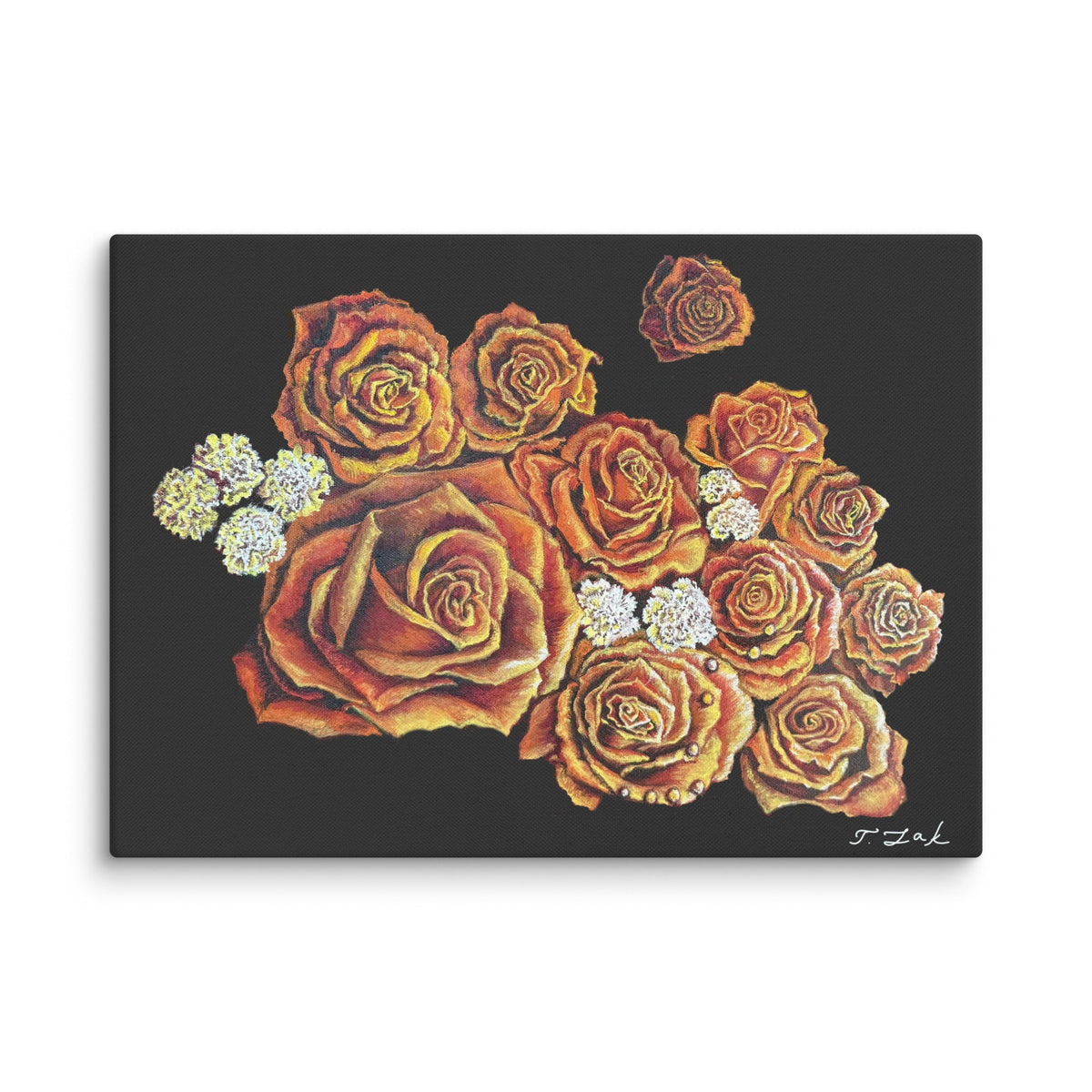
There's a reason a hand-finished piece holds your attention longer. Visible brushwork, slight variations in texture, and the knowledge that no two are identical create what collectors describe as emotional resonance, a sense of connection to the artist's hand. At Tatyana Zak, every hand-embellished collector edition is finished individually with acrylic, so the surface carries the artist's touch rather than a flat mechanical reproduction.
| Feature | Standard Print | Hand-Embellished Edition |
|---|---|---|
| Uniqueness | Identical copies | Each piece slightly different |
| Texture | Flat, uniform surface | Visible brushwork and depth |
| Emotional connection | Decorative | Personal, collector-level |
| Collector experience | Standard reproduction | Limited collector edition |
Placement Psychology: Where You Hang Art Changes How You Feel
Placement psychology is the practice of positioning art according to where you spend time and what you need from that space. The same painting can energize a hallway or soothe a bedroom depending on where it hangs.
Eye level matters more than most people think. Hanging art so its center sits at roughly 57 to 60 inches from the floor keeps it in your natural sightline, which means you actually absorb it daily instead of walking past it. In a home office, a piece with movement and warm tones supports focus and energy. In a bedroom, softer, cooler compositions support rest.
- Entryway: An uplifting, welcoming piece sets the tone as you arrive
- Living room: A larger statement work anchors the room and invites conversation
- Workspace: Art with depth and motion sustains attention
- Bedroom: Calm, low-contrast imagery supports wind-down
Meaningful Gifts for Art Collectors 2026: Choosing Art That Resonates
Meaningful gifts for art collectors 2026 are pieces chosen for emotional fit rather than price bracket. The best gift isn't the most expensive work, it's the one that reflects something true about the person receiving it, and that's a solvable problem, not a matter of luck.
A Practical Framework for Gifting Art
Most gift-art mistakes come from skipping the recipient's actual environment. Work through these four questions before you buy:
- Where will it hang? A bedroom piece and an entryway piece have different jobs. Ask which room the person wants to feel different.
- What palette already lives there? Neutral rooms absorb bold color well; already-colorful rooms reward restraint.
- What size fits the wall? A piece that's too small for a large wall reads as an afterthought; too large for a small wall overwhelms the room.
- What does the person already love? Abstract, landscape, figurative, most people have a pattern, even if they've never named it.
Budget-Friendly Emotional Design
Emotional design doesn't require a large budget, and this is where most gift guides fail. A single well-chosen piece placed where the recipient will see it daily does more for mood than a wall of unfocused decor. Practical low-cost options include:
- One strong focal piece instead of several small ones
- A curated set the recipient can arrange and rearrange in their own space
- A limited collector edition rather than an original, which carries less risk while still offering genuine uniqueness
- DIY framing and matting, which can change how a modest print reads without changing the print
A curated art set often works better than a single piece, because it lets the recipient reinterpret the work as their space evolves. Tatyana Zak offers art sets and bundles designed for exactly this, shipped worldwide so the recipient receives something considered.
Art for Neurodivergent Needs
Neurodivergent individuals often respond strongly to visual environments, and art can support sensory regulation when it's chosen with care. Low-contrast, predictable compositions tend to calm, while busy, high-stimulation imagery can overwhelm. guidance from the National Autistic Society on sensory-friendly environments emphasizes reducing visual overload, and art selection is part of that.
For a neurodivergent recipient, the safest gifts are pieces with clear focal points, limited palettes, and no dense pattern. If you're unsure, ask whether they prefer calm or stimulating spaces, that one question prevents most mismatches.
Art for Resilience and Life Transitions
For those navigating life transitions or chronic illness, a piece with personal meaning often becomes a daily source of comfort and resilience. A gift tied to a shared memory, a place, or a milestone does more emotional work than a generic decorative piece, because it carries a story the recipient can return to.
Art for Neurodivergent Needs and Budget-Friendly Emotional Design
Neurodivergent individuals often respond strongly to visual environments, and art can support sensory regulation when it's chosen with care. Low-contrast, predictable compositions tend to calm, while busy, high-stimulation imagery can overwhelm. guidance from the National Autistic Society on sensory-friendly environments emphasizes reducing visual overload, and art selection is part of that.
Emotional design doesn't require a large budget. A single well-chosen piece placed where you'll see it daily does more for your mood than a wall of unfocused decor. Start with one room, one feeling, and one work that delivers it. For those navigating life transitions or chronic illness, a piece with personal meaning often becomes a daily source of comfort and resilience.
Conclusion
Choosing art for your home is really a decision about how you want to feel each day. Most people treat it as decoration and miss the emotional payoff entirely.
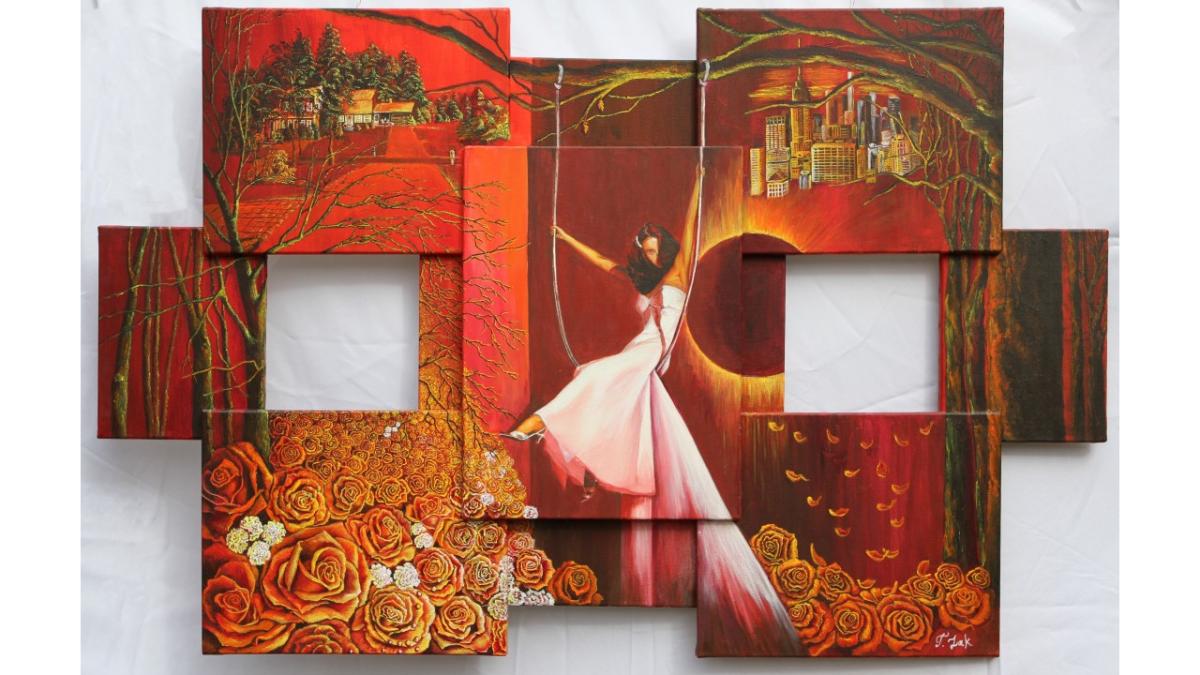
At Tatyana Zak, every piece is created with that payoff in mind. Our hand-embellished collector editions are individually finished with acrylic, so no two are identical, and our multi-layered compositions explore life's complexity in a way that invites personal interpretation. Whether you're after a statement installation or a curated art set for your home or office, you'll find work made to connect.
Get started with Tatyana Zak and bring a piece into your space that changes how the room feels.
Frequently Asked Questions
What is the emotional impact of art?
Art triggers emotional responses through color, composition, and subject matter. Research in neuroaesthetics shows that viewing art activates the brain's reward system, reducing cortisol and increasing dopamine. In your home, this means a thoughtfully chosen piece can shift your mood daily, creating a reliable source of calm or inspiration. The emotional impact depends on personal resonance: a landscape might evoke peace, while an abstract piece could spark curiosity or reflection.
Can original art provide more emotional benefits than mass-produced prints?
Original and hand-embellished art often carries a deeper emotional resonance because each piece is unique. When you know an artist personally crafted the work, it can feel more authentic and connected to human experience. Hand-embellished prints, where the artist adds acrylic touches, bridge the gap between reproduction and original, offering a collector's experience at a more accessible price point. This uniqueness can strengthen your bond with the piece over time.
How do colors and subjects in art affect emotional regulation at home?
Colors directly influence mood: blues and greens tend to calm the nervous system, while warm tones like orange and red can energize or comfort. Subjects matter too. Calming themes like landscapes or abstract flows support mindfulness, while human themes can evoke empathy and connection. To support emotional regulation, choose art that aligns with the feeling you want in a specific room, such as soothing tones for a bedroom or vibrant pieces for a creative workspace.
What are some meaningful gifts for art collectors in 2026?
For collectors, meaningful gifts include limited-edition hand-embellished prints that offer a unique collector's experience, or curated art sets that tell a cohesive story. Consider pieces that reflect the recipient's personal journey or interests, such as abstract works exploring resilience or landscapes evoking cherished memories. Tatyana Zak's hand-enhanced editions, like the Swing of Life Collector Edition, provide both emotional depth and investment value, making them thoughtful choices for special occasions.