Art for Homes with Kids: A 2026 Display and Styling Guide
Table of Contents
- Start With a Plan: Assessing Your Space and Your Family's Needs
- How to Display Kids' Artwork Professionally Without Losing the Whimsy
- Durable Wall Art for Families: Materials That Survive Real Life
- Choosing Art for Homes with Kids: Fine Art vs. DIY vs. Budget Prints
- Safety and Installation in High-Traffic Family Spaces
- Growing With Them: Curating Art for Nurseries Through the Teen Years
- Preserving and Archiving Your Child's Art Collection
- Frequently Asked Questions
Last Updated: September 13, 2026
Start With a Plan: Assessing Your Space and Your Family's Needs
Art for homes with kids works best when you match the piece to the room before you buy or hang anything. Start by walking through your home and sorting each wall into one of two categories: high-traffic or quiet. That single distinction decides your frame, your hanging hardware, and how much you can safely invest in a given spot.
High-Traffic Zones vs. Quiet Corners
High-traffic zones are hallways, stairwell landings, kitchen walls, and playroom perimeters. These areas take bumps, stray balls, and constant brushing past, so they call for durable wall art for families: canvas prints, acrylic sheets instead of glass, and hardware rated well above the frame's weight.
Quiet corners are bedrooms, reading nooks, and nursery walls above a crib or bed. Here you have room for finer materials and a calmer, more deliberate arrangement. A common mistake is treating every wall the same and then watching a favorite piece take a hit in the hallway.
How to Display Kids' Artwork Professionally Without Losing the Whimsy
The trick to displaying kids' artwork professionally is consistency in the frame, freedom in the content. Give the drawings a shared visual language, then let the art itself stay wild.

Pick one frame color and one mat width for the whole wall. The drawings can be a dinosaur, a house, a scribble, and it still reads as a collection rather than clutter. Mix in one or two grown-up pieces so the wall belongs to the whole family, not just the kids. A hand-embellished print, where the artist adds acrylic paint to a limited-edition reproduction, sits comfortably next to crayon work and gives the wall a center of gravity.

Rotating Galleries and Seasonal Swaps
Swap pieces on a schedule instead of hanging everything at once. A rotating gallery keeps the wall fresh, protects older drawings from fading, and gives kids the thrill of seeing their newest work go up. Many families find that a seasonal change, four times a year, is enough to keep the wall alive without turning it into a chore.
Durable Wall Art for Families: Materials That Survive Real Life
Canvas and acrylic outlast glass in family homes. Glass shatters and creates a safety problem; canvas flexes, and acrylic resists impact while weighing far less.
Framing, Canvas, and Hanging Hardware Compared
| Format | Durability | Best For | Watch Out For |
|---|---|---|---|
| Canvas print | High, flexes on impact | Playrooms, hallways | Dust in textured weave |
| Acrylic-faced frame | High, shatter-resistant | Kids' rooms, low walls | Scratches if cleaned dry |
| Glass frame | Low, breaks | Quiet corners, high shelves | Safety risk at child height |
| Unframed poster | Low, creases easily | Temporary displays | Curling and edge damage |
Hanging hardware matters as much as the frame. Use wall anchors rated for at least twice the weight of the piece, and add a safety strap or cleat on anything hung above a bed or couch (cpsc.gov). A common mistake is trusting a single nail for a heavy canvas in a busy room.
Choosing Art for Homes with Kids: Fine Art vs. DIY vs. Budget Prints
There is no single right answer here, only a right answer for each wall. The honest trade-off is cost against longevity and emotional weight, and the smartest families decide per wall, not per budget.
A Decision Framework: Splurge, Mid-Tier, or Print at Home
Sort every wall into one of three tiers before you spend a dollar.
Tier 1, Anchor walls (splurge). These are the rooms you actually live in: the living room, the primary bedroom, the stairwell you walk past twenty times a day. One or two anchor pieces per home carry the emotional weight of the collection. Original works and hand-embellished limited editions cost more up front, but they hold value, age well, and give the wall a story. Because each hand-embellished print carries unique hand-applied detail, no two are identical, which matters when a child grows up looking at the same piece and keeps finding something new in it.
Tier 2, Rotating walls (mid-tier). Playroom perimeters, hallway runs, and kids' bedroom walls that change with the season. Here, mid-priced prints and canvas reproductions do the work. You want durability and a consistent frame, not a museum-grade investment, because the content will turn over four times a year.
Tier 3, High-churn and high-risk walls (print at home). Bathroom walls, basement stairs, the spot behind the couch where a toddler launches stuffed animals. Print at home or order inexpensive poster prints. If it gets creased, taped over, or drawn on, you replace it for the cost of paper and ink.
The Cost-Per-Year Test
A useful habit is to divide the price of a piece by the number of years you expect it to stay on the wall. A $40 poster that gets swapped out in six months costs about $80 per year of enjoyment. A $400 anchor piece that stays up for a decade costs about $40 per year, and it appreciates in meaning even if it doesn't appreciate in dollars. Run that math before you buy, not after.
When DIY Beats Buying
DIY display projects earn their place when the goal is participation, not permanence. A clip line, a painted pegboard, or a magnetic chalkboard wall lets kids rotate their own work without adult help, which is the whole point. DIY framing, however, is where families lose money: cheap frames warp, mats yellow, and the piece gets reframed anyway. If you are going to DIY, DIY the display surface and buy the frame.
The Middle Path
If you want a meaningful anchor without original-art pricing, a hand-enhanced limited-edition print is the middle path. It sits between a mass-produced poster and a one-of-a-kind original: the image is reproduced, but the artist adds acrylic paint by hand, so each one is individually finished. That combination, affordable enough to hang in a family room, unique enough to keep for twenty years, is what makes it the practical anchor for most homes with kids.
Safety and Installation in High-Traffic Family Spaces
Safety comes down to weight, height, and anchoring. Hang heavy pieces into studs or with rated anchors, keep the bottom edge above the reach of small children, and secure anything that could fall.
In high-traffic areas, avoid glass and sharp metal corners. Choose canvas or acrylic, round off exposed edges where you can, and check hardware twice a year for loosening. The Consumer Product Safety Commission guidance on anchoring furniture and wall items is a useful reference for stability and tip-over prevention. For anyone hanging above a crib or bed, the rule is simple: nothing heavy directly overhead, no exceptions.
Growing With Them: Curating Art for Nurseries Through the Teen Years
A nursery wall should not be a dead end. Choose pieces that can move rooms and change meaning as a child grows, and understand why that matters, not just how to do it.
Why the Wall Matters Developmentally
Surroundings shape how a child feels about a space and, by extension, about themselves in it. The American Academy of Pediatrics resources on children's environments is a useful starting point for how physical surroundings influence a child's sense of security and belonging. The practical takeaway: the wall is not decoration, it is part of the room's function.
Age-by-Age Curation
Nursery (0-2). Calm, soft, high-contrast pieces placed where a baby can see them from the crib or changing table. Nothing heavy directly overhead, no exceptions. Choose canvas or acrylic over glass at any height a crawling or climbing child can reach.
Toddler and preschool (2-5). This is when the child's own work starts competing for wall space. Give them a low, dedicated zone, a clip line or a magnetic strip at their eye level, and keep the curated pieces higher up. The two zones can coexist on the same wall if the frame color matches.
Early elementary (6-10). Kids at this age start having opinions about what goes up. Let them choose from a shortlist you have already vetted for size and durability. A whimsical print that felt right at age two can move to a playroom; a more graphic piece can take its place in the bedroom.
Tween and teen (11+). The wall becomes a statement of identity. Keep one or two anchor pieces from the early years, they become anchors of memory, and let the rest of the wall be theirs to rearrange. Multi-layered compositions work especially well here because they reward a second look at different ages; a piece a child ignored at six can become a favorite at fourteen.
Moving Pieces Between Rooms
Plan for movement from the start. Buy frames in one or two standard sizes so a piece can migrate from nursery to playroom to bedroom without reframing. Keep a small inventory of hanging hardware on hand so a move takes minutes, not a trip to the store. When a piece comes down, photograph it and log it in your archive before it goes into storage, that way the memory travels with the piece even when the wall changes.
Preserving and Archiving Your Child's Art Collection
Physical art fades, tears, and piles up. A simple archiving habit protects both the work and the memory.
- Photograph each piece in flat, even light before it is stored or hung
- Label the digital file with the child's name and the date
- Store physical originals flat, away from direct sun and damp
- Back up the digital archive to cloud storage and a second drive
- Keep one physical "keepsake" box per child, rotated yearly
Digital archiving also solves the display problem: you can reprint a favorite drawing at any size without risking the original. For the pieces you want to keep on the wall long-term, archival-quality framing and UV-resistant glazing slow fading considerably.
Frequently Asked Questions
How do I display children's artwork without cluttering the home?
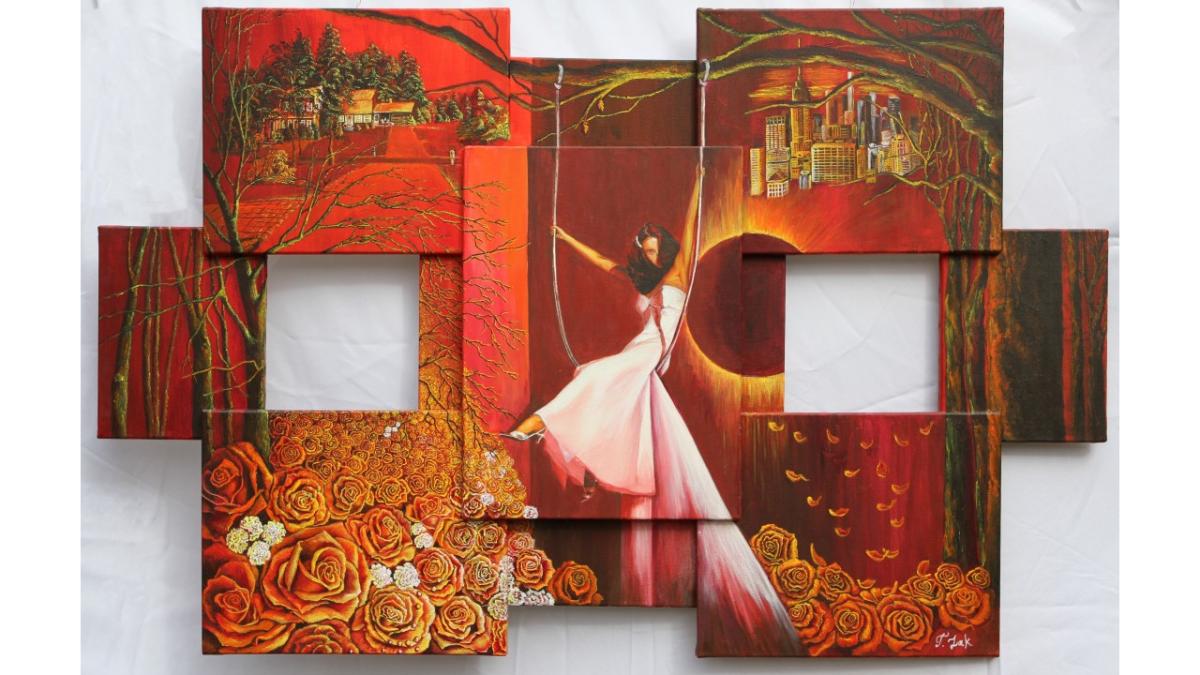
Limit visible pieces to 6-9 at a time and rotate them seasonally. Use one consistent frame style and a single color palette so the wall reads as a curated collection rather than a pile. Store the rest in a flat archival box or portfolio. A four-panel set like A Four-Panel Journey in Balance, priced at $625, shows how multi-panel art creates visual interest without extra clutter.
What are the best materials for art in homes with young children?
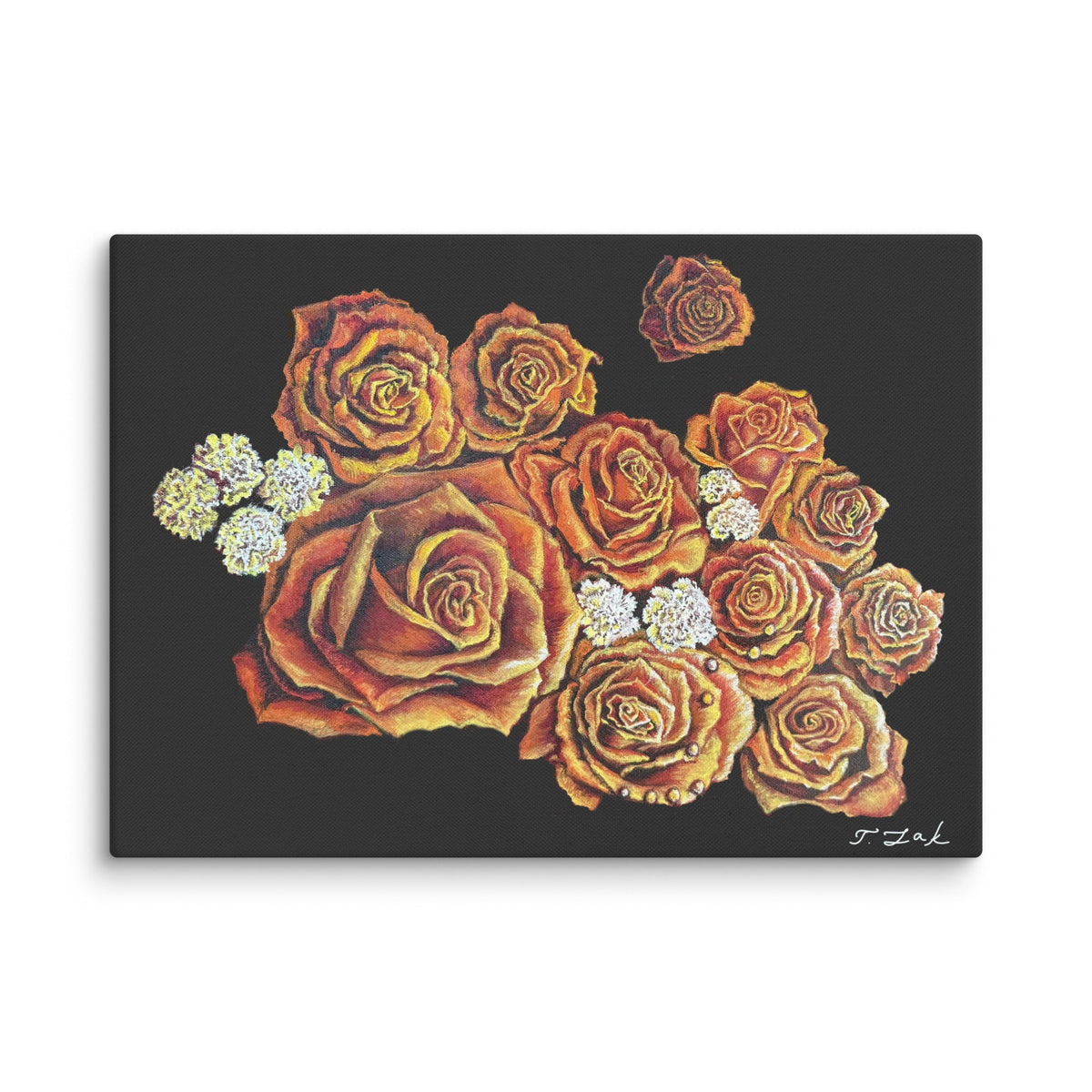
Canvas prints and hand-embellished limited-edition prints hold up better than paper behind glass in high-traffic rooms. Canvas resists glare, does not shatter, and can be wiped with a dry cloth. For paper originals, choose acrylic glazing over glass and mount with two hooks rated for twice the artwork's weight. Set of 3 Canvases - Roses and Trees at $84.49 is a practical entry point for a playroom or hallway.
How can I incorporate fine art into a family-friendly living space?
Hang fine art above furniture rather than at toddler eye level, use safety-rated hanging hardware, and pair it with child-friendly decor so the room still feels lived in. Hand-embellished collector's editions such as Night Blues of the Suburbs at $595 add emotional depth without being fragile. Keep high-value pieces in low-traffic zones like a primary bedroom or home office, and reserve durable canvas prints for playrooms.
What are the benefits of exposing children to original art at home?
Living with original and hand-embellished art gives children a daily reference for color, composition, and craft that reproductions rarely match. It also models care for objects, which supports art preservation habits. Start with one accessible piece, like a canvas print, and let the child help choose where it hangs.