7 Art Notebooks for Sketching City Scenes Tested
Quick Summary
Art notebooks for sketching city scenes need paper that handles ink and wash, a format you can carry all day, and a binding that lies open on a curb. Spiral notebooks lie flat for outdoor sketching, while hardcover journals offer a sturdier cover and tear-out pages. Test a few strokes on a spare page before committing a finished drawing.
- Paper weight matters most when you add ink or wash, so test a same-scene drawing first.
- The Tatyana Zak Hardcover journal matte lists a 70 lb page weight and 150 lined pages.
- Spiral notebooks lie flat and handle outdoor sketching well, at lower prices.
- Hardcover options protect work in transit and offer perforated pages for easy tear-out.
- Lightweight paper can cockle under heavy wash, so test on a spare page first.
Table of Contents
- What Makes a Notebook Good for Sketching City Scenes
- Comparing Paper Weight, Texture and Surface for Ink and Wash
- Page Size, Orientation and Portability for Street Work
- Binding Types and How Well Each Book Lies Open
- Tatyana Zak Notebooks Compared: Pros, Cons and Price
- Which Notebook Fits Your City Sketching Situation
- Starting Your First Urban Sketching Session This Week
- Frequently Asked Questions
What Makes a Notebook Good for Sketching City Scenes
Last Updated: November 23, 2026
Art notebooks for sketching city scenes need three things: paper that handles ink and wash, a format you can carry all day, and a binding that stays open on a curb. The right notebook depends on how you sketch. Some artists work quickly with pen, others layer watercolor on a bench, and each style asks something different of the paper.
Start with the paper. Smooth, bright white stock suits pen and light pencil, while heavier, textured paper holds up better when you add wash. For more background on paper, binding and format, read Selecting Journals for Artists: Paper, Binding and Format. If you plan to sketch streetscapes with a brush, check that the pages will not buckle or bleed through.
Portability matters just as much. A pocket-sized book slides into a jacket, but a larger page gives architecture room to breathe. For tips on portable formats, see Choosing Notebooks for Creative Journaling: A Tested Buying Guide. Most city sketchers find that a compact notebook they actually carry beats a large one that stays at home.
Binding decides whether the book works on your knee. Lay-flat pages make it easier to draw across a spread, and a sturdy cover protects the sketches inside. Before you buy, ask yourself three questions:
- What media will I use most, pen, pencil or watercolor?
- Will I carry this book daily, or sketch from a fixed spot?
- Do I need pages that lie flat, or is a closed notebook fine?
Watch out: Lightweight paper can cockle under heavy wash, so test a few strokes on a spare page before committing a finished drawing.
Comparing Paper Weight, Texture and Surface for Ink and Wash
Paper weight is the measure to watch when you add ink or wash, but the number alone does not tell you how a page will behave on a curb. The Tatyana Zak Hardcover journal matte, for example, lists a 70 lb (104 g/m²) page weight and 150 lined pages, which suits pen work and light color. The Hardcover bound notebook uses 80 cream-colored pages, a warmer tone that many artists prefer for monochrome sketches. Those specs are a starting point, not a verdict.
A practical way to compare papers is a same-scene test. Pick one simple city view, such as a corner with a sign, a window row, and a patch of sky, and draw it three times in three notebooks under the same conditions. Use the same pen and the same brush so the paper is the only variable. A short test on a spare page can tell you more than a product description.
Run the test in four passes and note what happens at each one:
- Ink line quality. Draw a few straight architectural edges and a few curved figures. Smooth, sized paper keeps fine lines crisp and stops fountain-pen ink from feathering. Slightly toothed paper grabs pigment and softens edges, which can be an advantage for loose street scenes but a frustration for tight facades.
- Light wash. Lay a single thin wash of watercolor or diluted ink across a sky area. Watch whether the surface beads, pools, or absorbs evenly. Uncoated pages can drink the wash quickly and dry with a blotchy edge; sized pages give you more working time.
- Layering and lifting. Once the first wash is dry, add a second color over it and try lifting a small highlight with a damp brush. Heavier stock resists buckling and lets you layer without the surface breaking down. Lighter stock may pill or cockle after two or three passes.
- Dry time and bleed-through. Time how long the wash stays tacky, then turn the page and check the reverse. A page that dries flat and shows only a faint ghost on the back is workable for a two-sided sketchbook; one that bleeds through limits you to one side.
Surface texture changes how ink sits, and the finish matters as much as the weight. Test a small wash before you commit a full city block to a single page.
Watercolor is the harder test. For ink-and-wash city scenes, pick a page that dries flat and lets you layer without pooling.
Watch out: A wash that looks fine wet can dry with a hard edge or a tide mark on lightly sized paper, so always run the test on a page you are willing to sacrifice before you start a finished spread.
Page Size, Orientation and Portability for Street Work
Page size sets how much street you can fit on one spread. The spiral notebooks use a 5.5" × 8.5" format, while the matte hardcover journal measures 5.75" × 8".
Portrait suits tall buildings and narrow alleys. Landscape gives you a wide skyline in a single sweep.
The Suburbs at Night ruled spiral notebook measures 6" × 8", slightly larger than the hardcover journal, which can help if you draw detailed facades. It stays manageable in a bag, though the extra width adds a little bulk.
Binding Types and How Well Each Book Lies Open
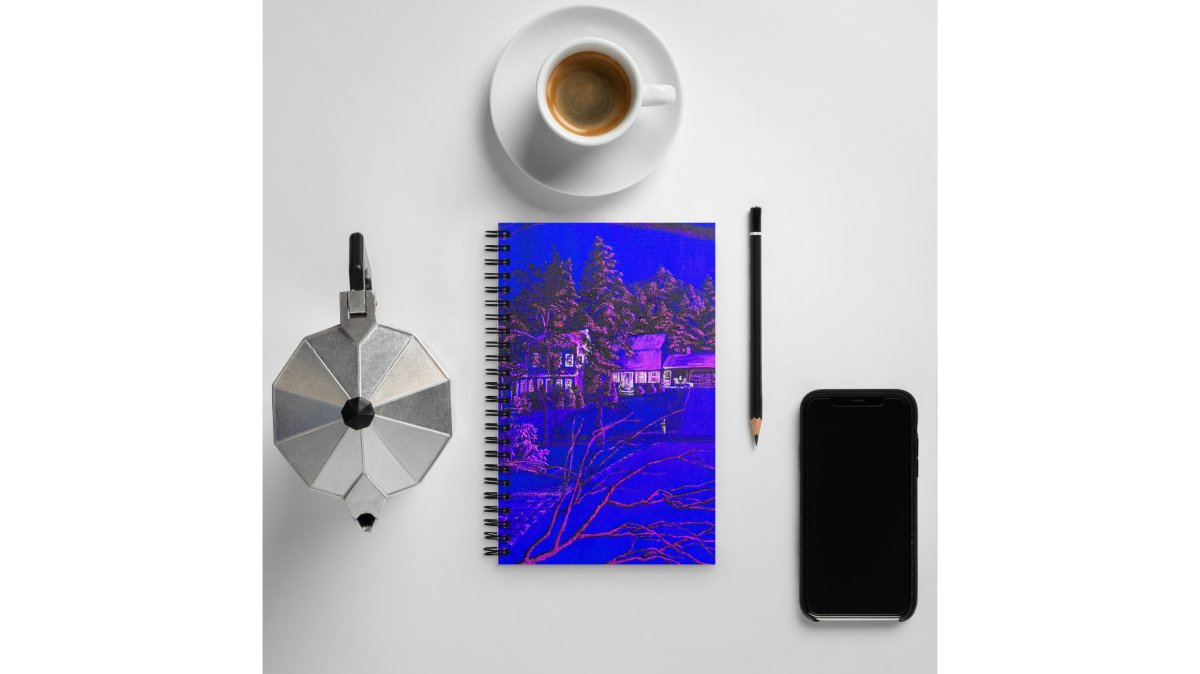
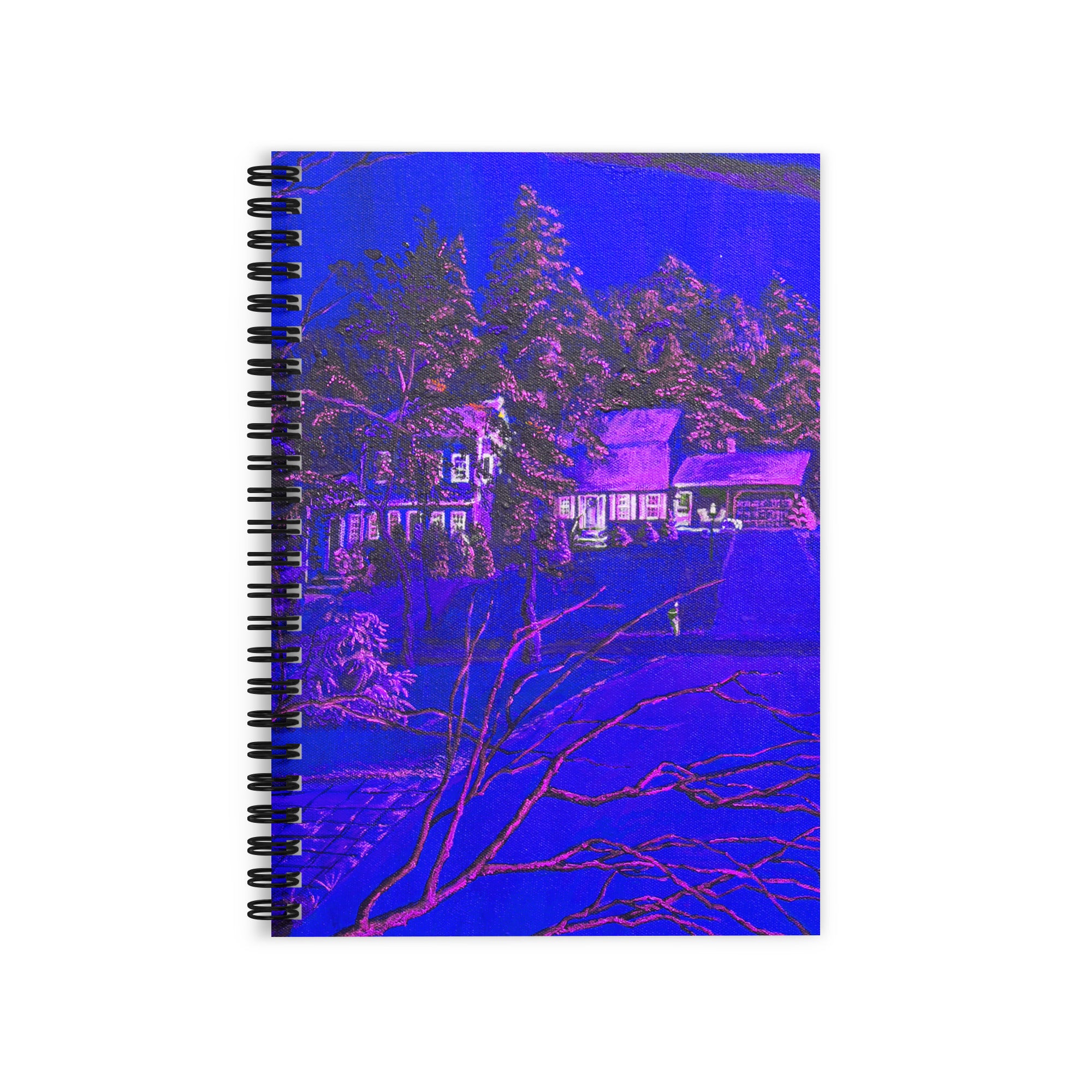
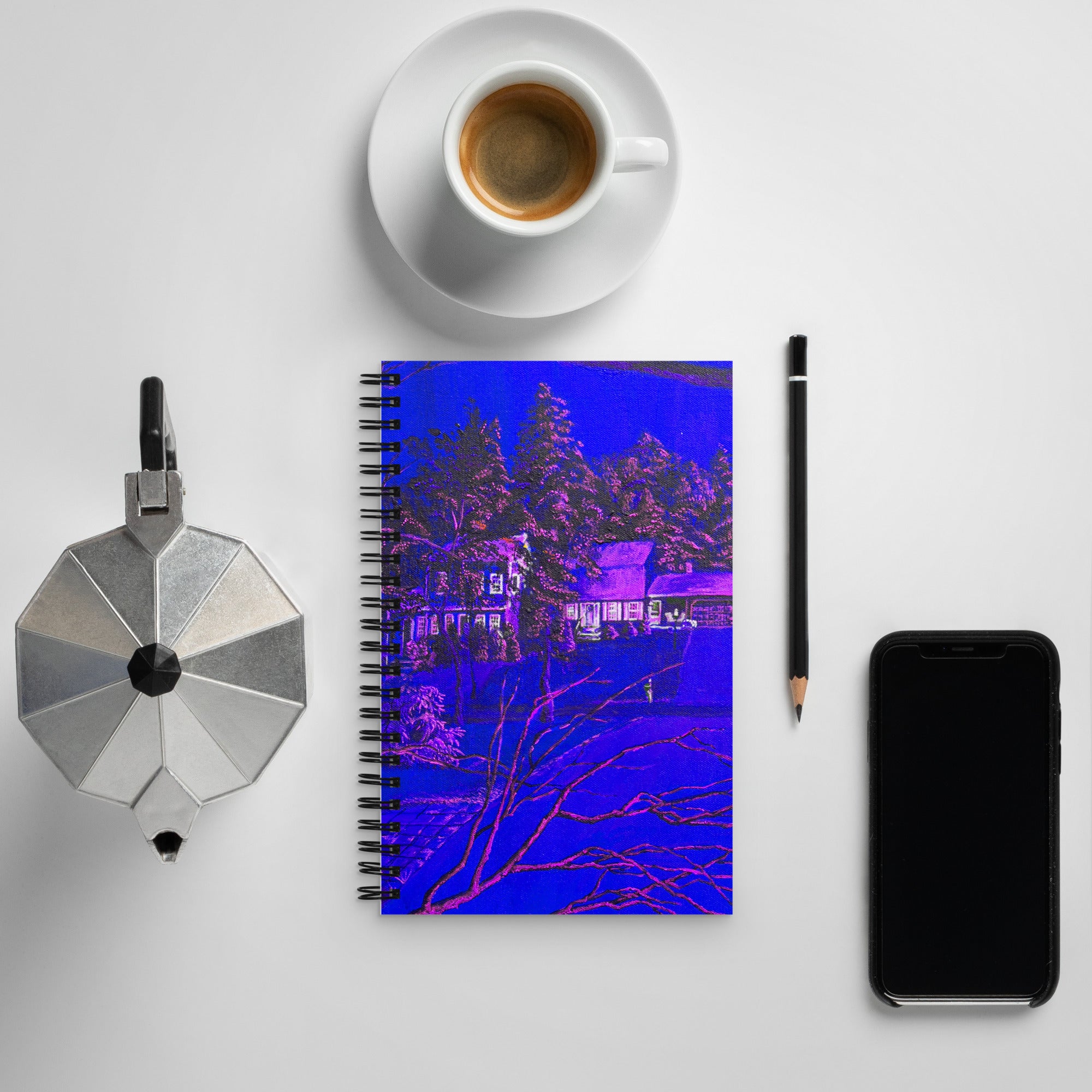
Spiral and wire-o bindings are open-lying bindings. The Suburbs at Night dotted spiral notebook uses metal wire-o binding with 140 pages, and the ruled spiral version uses metal spiral binding with 118 pages.
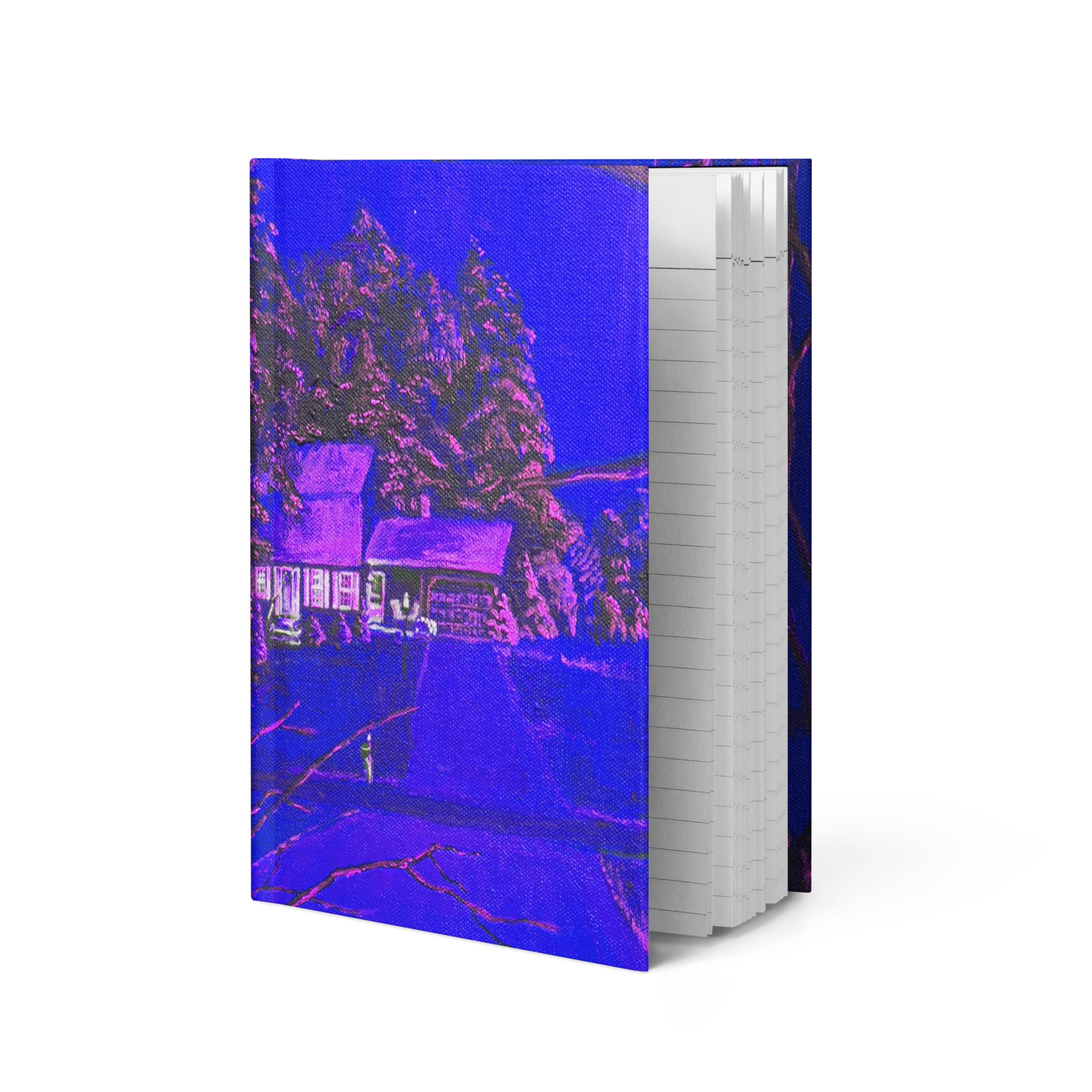
The matte hardcover journal uses casewrap binding with a flexible sewn spine and has perforated pages for easy tear-out.
Tatyana Zak Notebooks Compared: Pros, Cons and Price
Here is how the Tatyana Zak notebooks in this guide compare on the features that matter most for city sketching.
| Notebook | Price | Page Count | Binding | Size | Best For |
|---|---|---|---|---|---|
| Suburbs at Night Spiral notebook (dotted) | $14.99 | 140 dotted | Metal wire-o | 5.5" × 8.5" | Pen and light wash |
| Suburbs at Night Ruled Line Spiral | $13.50 | 118 ruled | Metal spiral | 6" × 8" | Quick notes and studies |
| Suburbs at Night Hardcover journal matte | $14.50 | 150 lined | Casewrap | 5.75" × 8" | Daily sketching, tear-out pages |
| Suburbs Spiral notebook | $14.99 | 140 dotted | Metal wire-o | 5.5" × 8.5" | Dotted layouts |
| Hardcover bound notebook | $22.50 | 80 lined | Bound, elastic closure | 5.5" × 8.5" | Mixed media with a sturdy cover |
| Hardcover journal matte | $14.50 | 150 lined | Casewrap | 5.75" × 8" | Everyday pen work |
| Spiral notebook | $14.99 | 140 dotted | Metal wire-o | 5.5" × 8.5" | Flat-lying sketches |
Price
Pros of the spiral options: they lie flat, they handle outdoor sketching well, and the price stays low. Cons of the spiral options: the wire can catch on a bag, and pages can tear near the binding. Pros of the hardcover options: a sturdier cover protects work in transit, and perforated pages make finished drawings easy to remove. Cons of the hardcover options: they open less fully than spirals.
Best for: artists who want a firm cover and tear-out pages. Skip if: you need the book to lie completely flat across a wide spread.
Which Notebook Fits Your City Sketching Situation
Match the notebook to where and how you sketch, not just to the paper spec. The situations below cover the common city-sketching routines, and each one points to a format that handles it.
Quick café or window sketches. You have a small table, a drink, and maybe 15 minutes. The ruled spiral notebook at $13.50 is a lower-cost option for quick sketches.
Long on-location sessions. If you sketch for an hour or more, the Hardcover bound notebook at $22.50 offers an expandable inner pocket for loose notes and a built-in elastic closure.
Watercolor and mixed media. The matte hardcover journal at $14.50 has 150 lined, uncoated pages.
Architecture and perspective. The dotted spiral at $14.99 has 140 dotted pages.
Rainy or windy days.
Ergonomics and long sessions.
Hybrid and digital workflows. If you photograph or scan your sketches, paper color and page size matter.
Price is only part of the choice. Pick the format that matches your most common situation, and add a second book only when a specific need, such as heavy wash or rain, justifies it.
Starting Your First Urban Sketching Session This Week
Begin small. Choose one corner, set a 20-minute timer, and sketch only the outline of the nearest building. Then add people, signs and shadows in a second pass.
Bring one notebook, one pen and one pencil. Keep the kit light enough that you forget it is in your bag, which is the point of urban sketching.
Shop new arrivals at Tatyana Zak to find the format that fits your routine. Start with one page this week, and you will know quickly which notebook suits your hand.
Frequently Asked Questions
What type of paper is best for urban sketching?
For urban sketching, look for a paper weight of at least 100 lb (around 200 gsm) if you plan to add watercolor or wash, because heavier stock resists buckling and bleed-through. For pen and ink on the go, a smooth, lightly textured surface works well and dries fast. Match the paper to the media you carry most often.
What is the best notebook size for sketching city scenes?
A 5.5 by 8.5 inch page fits in a jacket or bag and still gives enough room for a full street view. Larger formats capture more detail but are harder to hold while standing. Tatyana Zak's hardcover journal is 5.75 by 8 inches and the hardcover bound notebook is 5.5 by 8.5 inches.
Do I need a hardbound or spiral-bound notebook for sketching outdoors?
The spiral notebooks here use metal wire-o or spiral binding, while the hardcover journal uses a casewrap binding with a flexible sewn spine.
How do I start urban sketching if I have never drawn outdoors?
Begin with a 15-minute session on a single building or a bench. Draw the largest shapes first, then add lines, and limit yourself to two or three pens or pencils so you stay focused. Carry a notebook you feel comfortable marking, such as the spiral notebook at $14.99.