Ashley Salvatori vs Eyes on Walls: A Collector's Guide
Table of Contents
- Hand-Embellished Art Prints: What Sets Them Apart
- Limited Edition Prints vs Mass Produced: Understanding the Difference
- How to Identify High Quality Art Prints
- Benefits of Hand Embellished Art for Collectors
- Pricing Breakdown: Investment vs Budget
- Museum-Quality Canvas and Archival Standards
- Which Artist and Collection Match Your Space
- Frequently Asked Questions
Last Updated: September 22, 2026
Hand-Embellished Art Prints: What Sets Them Apart
Hand-embellished art prints represent a distinct category in the contemporary art market, occupying the middle ground between mass-produced reproductions and original paintings. When comparing Ashley Salvatori vs Eyes on Walls, understanding hand-embellishment becomes essential to evaluating what you're actually purchasing.
Hand-embellishment means an artist applies acrylic paint, texture, or other materials directly onto a printed canvas after production. This transforms a standard giclee print into something closer to original artwork. Each piece receives individual attention, meaning no two are identical, a critical distinction from factory-printed editions where thousands of identical copies exist.
Tatyana Zak offers limited edition collector pieces. The hand-embellishment process bridges reproduction and original art, creating pieces that carry both the structure of a print and the presence of a hand-painted work. The artist's hand becomes part of every surface, adding brushstrokes, texture, and depth that a standard print cannot achieve.
This method addresses a real collector's dilemma: original paintings cost tens of thousands of dollars, while mass-produced prints feel disposable. Hand-embellished editions sit in between, offering genuine artistic intervention at a more accessible price point.
Limited Edition Prints vs Mass Produced: Understanding the Difference
The difference between limited edition prints and mass-produced work determines long-term value and collector appeal. Limited edition prints carry edition numbers, typically between 25 and 500 pieces, while mass-produced prints have no edition limit.
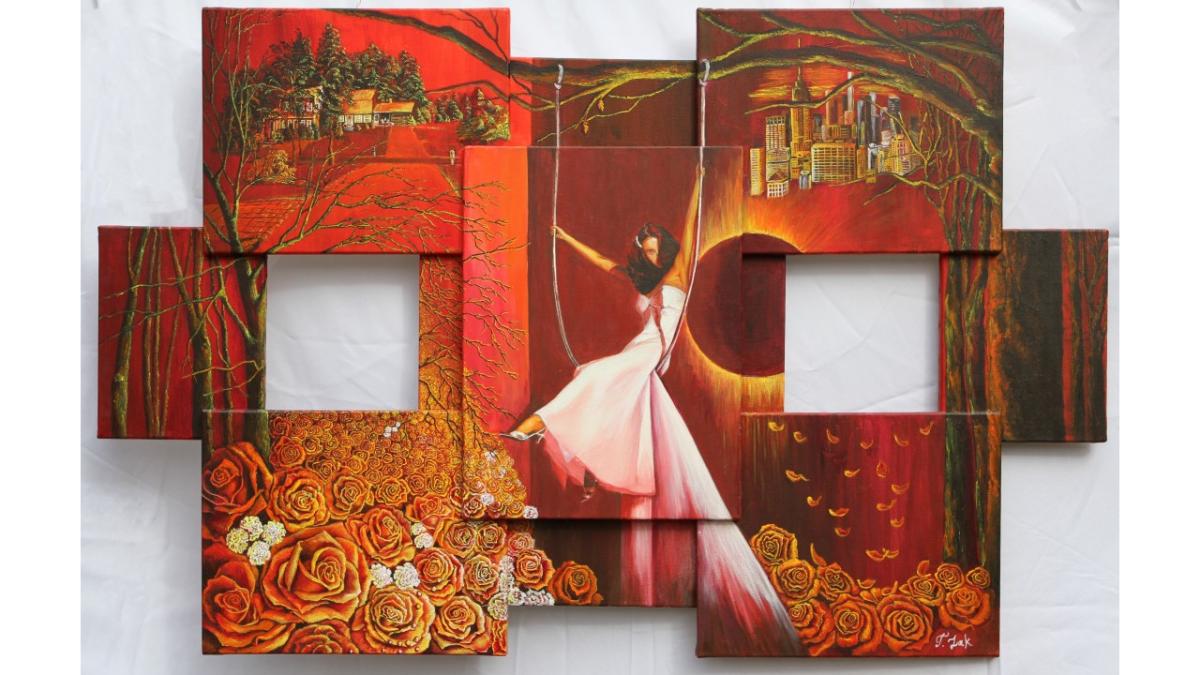
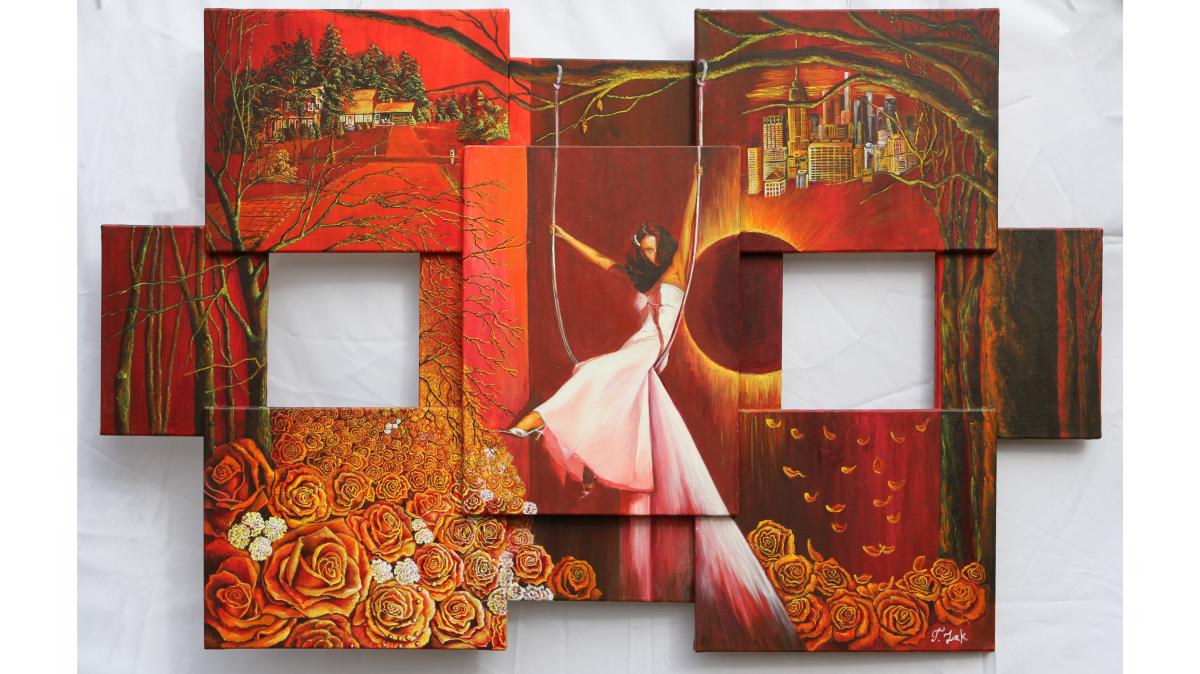
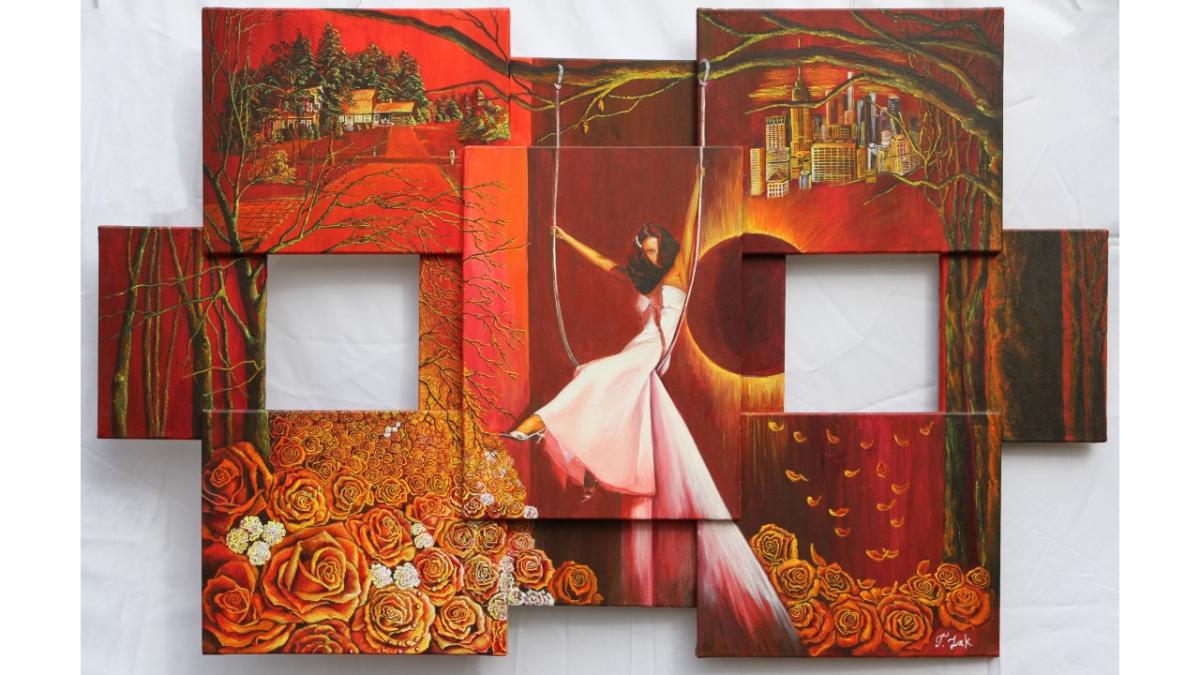
Tatyana Zak releases hand-embellished pieces in small editions. The Swing of Life installation, for example, is limited to 35 numbered pieces. This scarcity matters. Once an edition sells out, no more pieces from that run will be created. Mass-produced prints, by contrast, can be reprinted infinitely whenever demand exists.

The practical impact: as pieces sell and the edition shrinks, remaining copies become rarer. Mass-produced prints have unlimited supply. A print available in unlimited quantity will never become scarce enough to command premium prices.
Collectors also value the certificate of authenticity that accompanies limited editions. This document records the piece number, artist signature, and creation date. Mass-produced prints typically include no such documentation.
| Characteristic | Limited Edition | Mass Produced |
|---|---|---|
| Edition Size | 25-500 pieces | Unlimited |
| Scarcity | Increases over time | Remains constant |
| Collector Value | Appreciates | Depreciates |
| Certificate | Included | Typically absent |
| Hand-Embellishment | Often applied | Rarely applied |
| Uniqueness | Each piece varies | Identical copies |
The choice depends on your intent. If you're buying art for your home because you love it, edition size matters less.
How to Identify High Quality Art Prints
Quality in art prints comes down to materials, print technique, and artistic execution. Not all prints claiming "museum-quality" standards actually meet them.
Start with the canvas substrate. Professional-grade art prints use 100% cotton rag paper or premium poly-cotton canvas blends. These materials resist yellowing and deterioration far better than standard paper or synthetic blends. When you examine a print in person, the canvas should feel substantial, not thin or flimsy.

Print resolution matters significantly. Giclee printing, the standard for fine art reproduction, uses pigment-based inks that capture fine detail and color accuracy. The image should appear sharp and detailed, not pixelated or blurry when viewed up close. Archival inks ensure the print won't fade or shift color over decades.
For hand-embellished pieces specifically, examine the acrylic application. Quality hand-embellishment shows intentional brushwork, not random paint splatters. The artist should have enhanced specific areas, adding depth to certain elements, creating texture in backgrounds, or emphasizing focal points. The work should look purposeful, not decorative.
Check for color accuracy. The printed image should match the original artwork faithfully. Colors should feel vibrant without appearing oversaturated. Skin tones should look natural, and subtle color gradations should be visible.
Finally, assess the overall finish. Museum-quality prints often receive UV-protective coatings that reduce glare without creating a plastic appearance. The surface should feel smooth and professional, not rough or uneven.
Benefits of Hand Embellished Art for Collectors
Hand-embellished art offers distinct advantages over standard prints and original paintings. Understanding these benefits helps explain why collectors seek out pieces like those from Tatyana Zak's collection.
The primary benefit is uniqueness. Each hand-embellished piece is genuinely one-of-a-kind. Two copies of the same print will have different brushwork, different texture emphasis, and different artistic choices applied by the hand. You're not buying an identical copy, you're buying a specific iteration that exists nowhere else.
This uniqueness creates emotional connection. Knowing your piece is truly singular, that no one else owns exactly what you own, deepens your relationship with the work. Collectors report stronger attachment to hand-embellished editions than to standard prints precisely because of this distinction.
Swing of Life™ - Hand-Embellished →
Hand-embellishment also increases perceived value without approaching original artwork pricing. A hand-embellished collector edition costs a fraction of an original painting but carries far more presence and authenticity than a mass-produced print. The artist's direct involvement, their hand touching your piece, creates a connection that printing alone cannot achieve.
For interior design, hand-embellished pieces command attention. The visible texture and dimensional quality make them visual focal points. They photograph differently than flat prints. They interact with light, creating subtle shifts in appearance throughout the day as lighting conditions change.
From a collector's perspective, hand-embellished limited editions become scarcer as the edition sells out.
Pricing Breakdown: Investment vs Budget
Understanding pricing across different art categories helps you make intentional purchasing decisions aligned with your budget and collecting goals.
Tatyana Zak's hand-embellished limited editions range from $495 to $999 for individual pieces. The Bride on the Swing (24" x 18") costs $495. Night Blues of the Suburbs (24" x 24") costs $595. The Swing of Life installation (42" x 66") costs $999. These prices reflect the hand-embellishment process, limited edition status, and artist reputation.
For comparison context, standard giclee prints without hand-embellishment typically range from $50 to $300 depending on size and print quality. Mass-produced art from retailers often costs $20 to $150. Original paintings by established contemporary artists typically start at $5,000 and climb into five or six figures.
The Four-Panel Journey in Balance art set, comprising four 16" x 16" hand-embellished canvases, costs $625. This represents good value for collectors seeking a cohesive, multi-piece installation.
Calculating price per square inch provides perspective. A 24" x 18" print (432 square inches) at $495 costs approximately $1.15 per square inch. A 24" x 24" print (576 square inches) at $595 costs approximately $1.03 per square inch. Larger pieces offer slightly better per-unit value, a pattern common across art pricing.
When evaluating whether a price is justified, consider what you're actually purchasing: original artistic vision, hand-embellishment by the artist, limited edition status with certificate of authenticity, archival materials, and worldwide shipping included. These factors distinguish higher-priced hand-embellished pieces from cheaper alternatives.
Museum-Quality Canvas and Archival Standards
Museum-quality standards exist to ensure art survives generations without deterioration. Understanding these standards helps you evaluate whether a print will maintain its appearance and value.
Archival materials resist fading, yellowing, and chemical breakdown. Museum-quality canvas uses acid-free substrates, typically 100% cotton rag or premium poly-cotton blends. Acidic materials degrade over time, causing yellowing and brittleness.
Which Artist and Collection Match Your Space
Selecting art for your space requires matching aesthetic, size, and thematic content to your environment and emotional response.
Frequently Asked Questions
What's the real difference between hand-embellished art prints and standard giclee prints?
Hand-embellished prints begin as high-resolution canvas prints, then the artist adds acrylic paint by hand to each piece individually. This transforms a reproduction into a unique collector's work, no two pieces are identical. Standard giclee prints, by contrast, are produced identically in bulk. Hand-embellished pieces bridge the gap between reproduction and original art, offering the presence and texture of an original painting at a more accessible price point than a fully original work.
How do I know if a limited edition print is actually limited?
Legitimate limited edition prints come with a certificate of authenticity showing the edition number (e.g., 15/35, meaning piece 15 out of 35 total) and the artist's signature. This documentation proves scarcity and collectability. Tatyana Zak's hand-embellished collector editions, for example, are released in small runs (like the Swing of Life installation at 35 pieces) with signed, numbered certificates included. Always request proof of edition size and authenticity before purchasing.
Are hand-embellished prints a good investment compared to mass-produced art?
Hand-embellished limited edition prints are unique due to scarcity, artist signature, and individual craftsmanship. Each piece is unique, making it distinct from mass-produced prints. The value of art depends on various factors, including the artist's reputation, the edition size, and the quality of materials used.
What makes a fine art print museum-quality?
Museum-quality prints use archival materials: acid-free, 100% cotton rag canvas or paper; pigment-based inks (not dye-based); UV-protective coatings; and acid-free mounting. These materials resist fading, yellowing, and deterioration for decades. The print resolution must be high enough to preserve detail and color accuracy from the original artwork. Hand-embellished pieces add another layer, the artist's acrylic work increases longevity and presence, making the piece more resistant to environmental wear.
Should I buy directly from an artist or through a marketplace?
Buying directly from the artist offers several advantages: you receive the authentic piece with full provenance documentation and you can ask questions about the work's creation and care. For hand-embellished work like Tatyana Zak's pieces, purchasing directly ensures you receive the genuine, individually hand-painted edition with its certificate of authenticity and artist signature.